Textile Inspection Explained: Process, Key Details, and Info
Textile inspection refers to the systematic examination of fabrics and textile products to identify defects, inconsistencies, or deviations from defined quality standards. It exists because textiles pass through multiple stages of production, and even small issues at one stage can affect the final product’s usability, durability, or appearance.
From raw fiber processing to finished fabric and garments, textiles are exposed to mechanical, chemical, and human handling processes. Each step introduces potential variation. Textile inspection was developed to monitor these variations and ensure that fabrics meet expected requirements before they move to the next stage of use.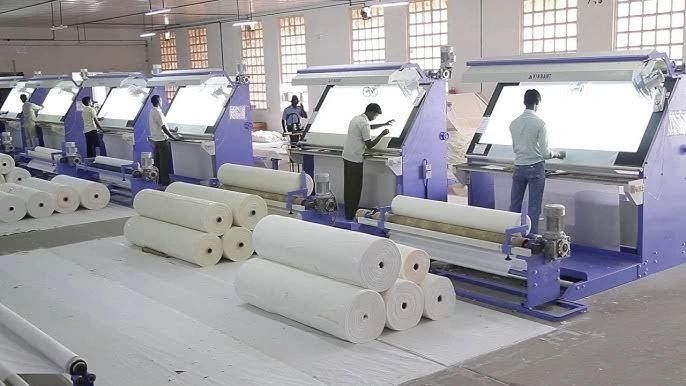
Textile inspection is not limited to appearance alone. It also considers structure, performance characteristics, and consistency. Understanding this topic helps explain how quality control is maintained in a complex and large-scale industry.
Why Textile Inspection Matters
Textile inspection matters because textiles are used in everyday clothing, home furnishings, industrial applications, and technical products. Quality issues can affect comfort, safety, and functionality.
This topic affects:
-
Textile manufacturers and processors
-
Garment and product designers
-
Supply chain and quality teams
-
End users relying on fabric performance
Key problems that textile inspection helps address include:
-
Fabric defects that reduce durability
-
Inconsistent color or texture
-
Structural weaknesses in woven or knitted materials
-
Variations that affect cutting, stitching, or finishing
By identifying issues early, textile inspection supports better decision-making during production. It helps reduce waste, maintain consistency, and ensure that fabrics perform as intended in their final use.
Common Defects Identified During Textile Inspection
Textile inspection focuses on recognizing defects that may affect quality or usability. These defects vary depending on fabric type and production method.
Commonly observed issues include:
-
Broken or missing yarns
-
Uneven weaving or knitting
-
Color streaks or shade variation
-
Holes, stains, or foreign fibers
-
Surface irregularities
The table below summarizes typical defect categories.
| Defect Category | Description |
|---|---|
| Structural | Weaving or knitting faults |
| Visual | Color or appearance issues |
| Surface | Stains or contamination |
| Dimensional | Width or length variation |
Recognizing these defects helps maintain consistency across textile batches.
Importance of Textile Inspection Across Applications
Textile inspection plays a role across different application areas, each with specific quality expectations.
In apparel, inspection ensures comfort, fit consistency, and visual appeal. In home textiles, it supports durability and uniform appearance. In industrial or technical textiles, inspection helps verify structural integrity and performance under specific conditions.
Across all applications, inspection supports trust in textile products by ensuring they meet defined standards before reaching users.
Developments in Textile Inspection Practices
Textile inspection practices continue to evolve as production volumes increase and quality expectations rise. One noticeable shift is the use of standardized inspection systems to ensure consistency across facilities and regions.
Another development is improved documentation. Inspection findings are increasingly recorded in structured formats, making it easier to analyze patterns and identify recurring issues. This supports process improvement rather than isolated correction.
There is also growing attention to inline inspection, where fabrics are examined during production rather than only at the end. This approach helps identify issues earlier and reduces downstream disruption.
Textile Inspection Methods Explained
Textile inspection can be carried out using different methods depending on fabric type, production scale, and quality requirements.
Visual inspection
This method involves trained inspectors examining fabric surfaces under controlled lighting conditions to identify visible defects.
Measurement-based inspection
Dimensions such as width, length, and weight are measured to ensure consistency.
Sample-based inspection
A defined portion of fabric is inspected to represent a larger batch, using standardized sampling rules.
Process-stage inspection
Inspection is performed at multiple stages, such as greige fabric, dyed fabric, and finished fabric.
The table below summarizes inspection methods.
| Inspection Method | Focus Area |
|---|---|
| Visual | Surface defects |
| Measurement | Dimensional accuracy |
| Sampling | Batch consistency |
| Stage-Based | Early detection |
Understanding these methods helps clarify how inspection fits into textile workflows.
Role of Standards and Quality Benchmarks
Textile inspection relies on quality benchmarks that define acceptable and unacceptable conditions. These benchmarks may be internal guidelines or industry-recognized systems.
Key aspects of quality benchmarks include:
-
Defect classification levels
-
Tolerance thresholds
-
Documentation requirements
-
Consistent evaluation criteria
Benchmarks help ensure that inspection outcomes are objective rather than subjective.
Laws, Regulations, and Policy Influence
Textile inspection is influenced by consumer protection laws, manufacturing regulations, and quality standards. These frameworks aim to ensure product safety, transparency, and reliability.
Key regulatory influences include:
-
Product safety and labeling requirements
-
Environmental and chemical compliance rules
-
Workplace quality and process standards
-
Export and trade quality guidelines
Government agencies and standards organizations define requirements for certain textile categories, especially those used in protective, medical, or child-related applications. Inspection supports compliance with these rules.
Tools and Resources Used in Textile Inspection
Various tools and resources support textile inspection activities. These tools focus on accuracy, consistency, and documentation.
Common tools and resources include:
-
Fabric inspection frames or tables
-
Controlled lighting setups
-
Measuring scales and rulers
-
Defect recording templates
-
Inspection checklists and logs
The table below shows how these tools support inspection.
| Tool Category | Purpose | Practical Benefit |
|---|---|---|
| Inspection Frames | Fabric viewing | Clear visibility |
| Lighting Systems | Defect detection | Consistent assessment |
| Measuring Tools | Dimension checks | Accuracy |
| Recording Templates | Documentation | Traceability |
These resources help standardize inspection outcomes across teams.
Human Skill and Training in Textile Inspection
While tools support inspection, human judgment remains essential. Trained inspectors develop the ability to recognize subtle defects and patterns.
Important skill areas include:
-
Understanding fabric structures
-
Recognizing defect types
-
Maintaining consistency under repetitive tasks
-
Accurate documentation
Training and experience improve reliability and reduce variation in inspection outcomes.
Textile Inspection and Supply Chain Reliability
Inspection plays an important role in supply chain reliability. Consistent quality at the fabric stage supports smoother downstream processes such as cutting, stitching, and finishing.
Benefits for the supply chain include:
-
Reduced rework
-
Fewer production delays
-
Clear quality communication
-
Improved planning accuracy
Inspection acts as a checkpoint that aligns production stages with quality expectations.
Data and Continuous Improvement
Inspection data is increasingly used for analysis and improvement. Patterns in defect types can indicate underlying process issues.
Common improvement uses include:
-
Identifying recurring production faults
-
Adjusting machine settings
-
Improving material handling practices
-
Enhancing training focus
This data-driven approach helps shift inspection from fault-finding to quality improvement.
Frequently Asked Questions
What is textile inspection?
It is the systematic examination of fabrics to identify defects and verify quality standards.
Is textile inspection only visual?
No. It also includes measurement, sampling, and stage-based evaluation.
Why is textile inspection important before garment production?
It helps prevent defects from affecting cutting, stitching, and final product quality.
Are inspection standards the same for all textiles?
No. Standards vary based on fabric type, use, and quality requirements.
Does textile inspection eliminate all defects?
It reduces risk by identifying issues, but continuous process control is also important.
Concluding Overview
Textile inspection is a foundational quality practice within the textile and apparel ecosystem. It exists to ensure that fabrics meet defined standards before they are used in final products.
By understanding the context, importance, inspection methods, regulatory influence, tools, and common questions related to textile inspection, readers gain clear and practical knowledge of how textile quality is evaluated. This understanding highlights the role of inspection in supporting consistency, reliability, and trust across textile production and use.