Solar Cell Soldering Machines Guide: Overview, Process, and Key Knowledge
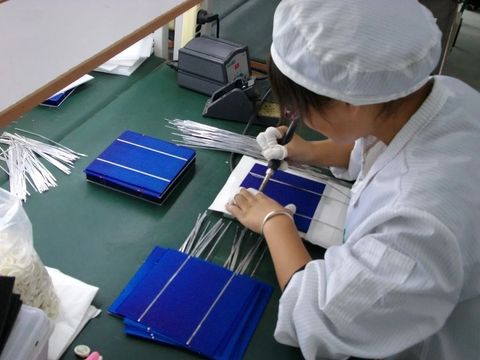
Solar cell soldering machines are specialized industrial systems used to join conductive ribbons and electrical contacts to photovoltaic (PV) cells. This soldering step is essential in solar panel manufacturing because it creates reliable electrical pathways that allow energy generated by individual cells to flow through a complete module.
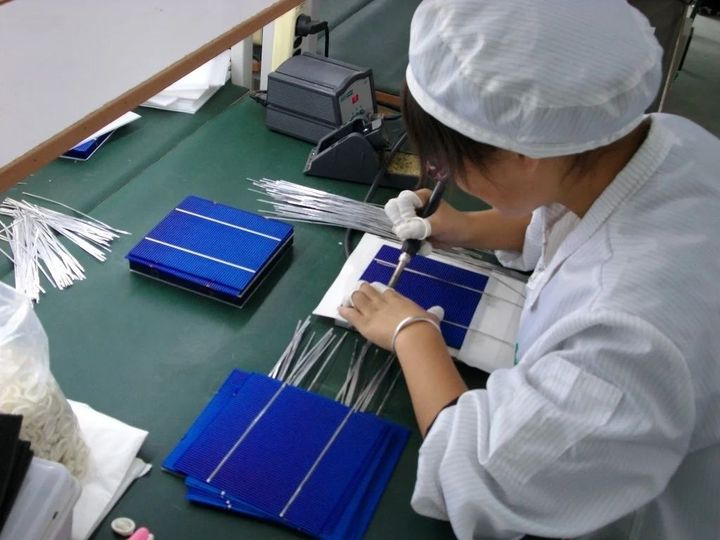
These machines exist to replace manual soldering methods that are slow, inconsistent, and unsuitable for high-volume production. In modern solar manufacturing environments, precision, repeatability, and throughput are critical. Solar cell soldering machines support these requirements by applying controlled heat and pressure to bond tabbing wires or busbars onto fragile silicon cells without damaging them.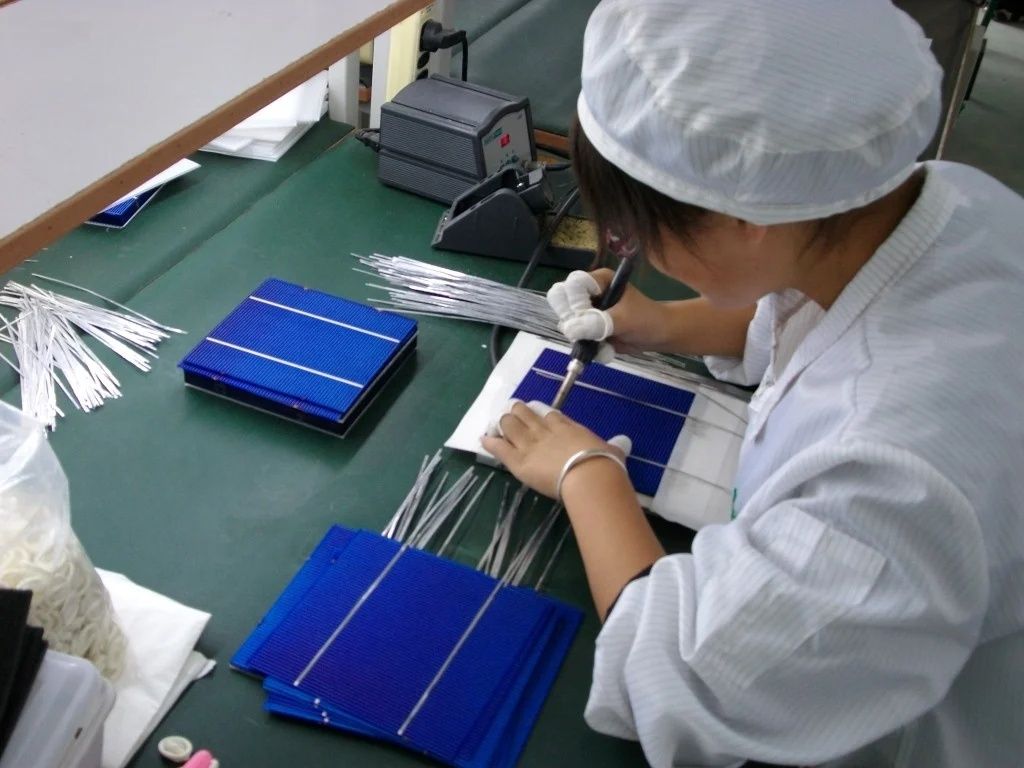
As solar energy production scales globally, manufacturers rely on automated soldering systems to maintain consistent quality while assembling thousands of cells every day. This makes solar soldering technology a core part of photovoltaic module fabrication lines.
Importance: Why Solar Cell Soldering Machines Matter in Renewable Energy Production
Solar cell soldering machines play a central role in the renewable energy supply chain. They directly affect solar module performance, manufacturing efficiency, and long-term reliability.
Their importance extends across multiple stakeholders, including PV manufacturers, process engineers, quality teams, and energy infrastructure planners.
Key reasons these machines matter include:
-
Electrical continuity: Accurate solder joints ensure stable current flow between solar cells.
-
Production consistency: Automated soldering delivers uniform connections across large batches.
-
Material protection: Controlled thermal profiles reduce stress on sensitive silicon wafers.
-
Scalable manufacturing: High-speed systems support large-volume panel assembly.
-
Quality assurance: Repeatable soldering minimizes defects that could reduce panel output.
Industries involved in solar module fabrication, energy infrastructure, and clean technology manufacturing depend on photovoltaic soldering equipment to maintain efficiency and reliability throughout production workflows.
Recent Updates: Developments in Solar Cell Soldering Technology
Recent developments in solar cell soldering machines reflect broader trends in automation, precision engineering, and process integration within the solar manufacturing sector.
Notable changes observed in recent periods include:
-
Advanced temperature control: Improved heating systems provide tighter control over solder profiles.
-
Automation integration: Many solar panel soldering machines now connect directly with upstream stringing and downstream lamination systems.
-
Vision-based alignment: Optical inspection helps ensure accurate ribbon placement before soldering.
-
Higher throughput designs: New layouts support faster cell processing while maintaining joint quality.
-
Data-enabled monitoring: Sensors provide real-time feedback on solder temperature and joint consistency.
These updates strengthen the role of automated solar soldering machines in supporting reliable, high-output photovoltaic manufacturing environments.
Laws or Policies: Compliance in Solar Manufacturing Equipment
Solar cell soldering machines operate within regulatory frameworks related to industrial safety, electrical standards, and renewable energy manufacturing guidelines. While exact requirements differ by region, several common policy areas influence their deployment.
Typical regulatory considerations include:
-
Workplace machinery safety standards: Requirements for guarding, emergency stops, and operator protection.
-
Electrical compliance rules: Guidelines governing conductive connections and insulation quality.
-
Environmental manufacturing policies: Standards addressing emissions, energy usage, and waste handling.
-
Renewable energy initiatives: Government programs that encourage domestic solar manufacturing indirectly support adoption of advanced soldering systems.
Understanding these policies helps manufacturers operate solar cell manufacturing equipment responsibly and in alignment with national clean energy objectives.
Tools and Resources: References Used to Understand Solar Cell Soldering Processes
Several technical tools and reference resources support planning and operating solar cell soldering machines.
Commonly used materials include:
-
Thermal profile calculators: Tools that estimate heating curves for different solder alloys.
-
Material property databases: References detailing ribbon conductivity and solder melting behavior.
-
Process validation checklists: Frameworks for verifying solder joint consistency.
-
Equipment specification guides: Documents outlining machine speed, heating zones, and alignment accuracy.
-
Quality monitoring templates: Resources for tracking solder joint integrity across production batches.
These tools assist engineers and production teams in optimizing solar module soldering systems for stable performance.
Types of Solar Cell Soldering Machines: Common Configurations in PV Production
Solar cell soldering machines are available in several configurations depending on manufacturing scale and process design.
| Machine Type | Typical Application | Key Characteristic |
|---|---|---|
| String soldering machines | Cell-to-cell connections | High-speed ribbon bonding |
| Busbar soldering systems | Main conductor attachment | Precise alignment control |
| Inline soldering machines | Continuous production lines | Automated material flow |
| Compact soldering units | Small production setups | Space-efficient layout |
Selecting the appropriate system depends on throughput requirements, module design, and production line integration.
Process Overview: How Solar Cell Soldering Machines Work
The working process of a solar cell soldering machine follows a controlled sequence designed to protect delicate PV cells while ensuring strong electrical connections.
A simplified workflow includes:
-
Cell positioning: Individual solar cells are aligned on a conveyor or fixture.
-
Ribbon placement: Conductive ribbons or busbars are positioned on contact points.
-
Heat application: Controlled heating melts solder material at precise locations.
-
Bond formation: Pressure ensures ribbons adhere securely to cell surfaces.
-
Cooling and inspection: Joints solidify and are checked for alignment and continuity.
Key factors influencing solder quality include temperature stability, ribbon tension, and alignment accuracy. Proper calibration of solar panel soldering machines helps maintain consistent electrical performance across finished modules.
FAQs: Common Questions About Solar Cell Soldering Machines
What is the purpose of solar cell soldering machines?
They connect conductive ribbons to photovoltaic cells, enabling electrical flow through solar modules.
How do automated solar soldering machines improve manufacturing?
Automation increases speed, consistency, and joint reliability compared to manual processes.
Are these machines suitable for fragile silicon cells?
Yes. Modern systems use controlled heat profiles designed to protect delicate wafers.
What affects solder joint quality?
Temperature control, ribbon alignment, and material properties all influence joint integrity.
Can solar cell soldering machines integrate with full production lines?
Many systems are designed for inline operation alongside stringing, inspection, and lamination stages.
Conclusion: The Role of Solar Cell Soldering Machines in Clean Energy Manufacturing
Solar cell soldering machines are essential components of modern photovoltaic production. By enabling precise, repeatable electrical connections, they support reliable solar module assembly at industrial scale. Advances in automation, thermal control, and process monitoring continue to enhance their effectiveness. Understanding how solar cell soldering machines function, along with their configurations and operational considerations, provides valuable insight into how clean energy technologies are manufactured today.