Pipe Welding Systems Explained: Overview, Methods, and Practical Details
Pipe welding systems are structured setups used to join pipes through controlled welding processes. These systems are widely applied in industries where fluids, gases, or materials must be transported safely through pipelines. The primary purpose of pipe welding systems is to create strong, consistent joints that maintain pressure integrity and structural reliability.
Unlike manual welding alone, modern industrial environments rely on standardized welding systems that combine equipment, procedures, and quality controls. This approach ensures repeatable results across large projects such as energy infrastructure, manufacturing plants, and utility networks.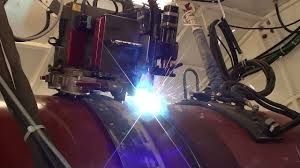
As pipelines have become longer, materials more diverse, and safety expectations higher, welding has evolved from basic joining techniques into organized processes supported by automation, monitoring, and documented workflows. Today, industrial pipe welding forms a critical link between engineering design and operational performance.
Importance: Why Industrial Pipe Welding Matters Across Sectors
Pipe welding directly affects how safely and efficiently industrial systems operate. It influences construction timelines, long-term maintenance requirements, and overall system reliability. Engineers, project planners, inspectors, and plant operators all depend on accurate welding outcomes.
Key reasons pipe welding systems are essential include:
-
Structural integrity: Proper welds prevent leaks and mechanical failures.
-
Process reliability: Consistent joints support uninterrupted material flow.
-
Safety assurance: High-quality welding minimizes risks in pressurized environments.
-
Scalability: Organized systems support large pipeline projects and complex layouts.
-
Quality verification: Documented welding processes simplify inspection and compliance.
Applications range from chemical plants and refineries to water treatment facilities and manufacturing environments. In many of these settings, pipeline welding equipment supports continuous operations where even minor defects can lead to significant disruption.
Recent Updates: Developments in Automated and Orbital Welding Practices
Recent developments in pipe welding systems focus on precision, repeatability, and digital integration rather than basic welding mechanics.
Common trends observed in recent periods include:
-
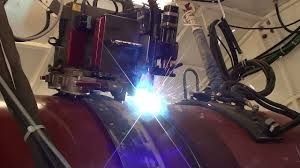
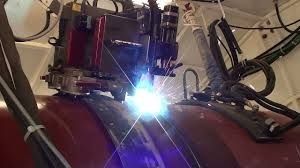
Expanded use of automated pipe welding to reduce variability in repetitive welds
-
Broader adoption of orbital welding systems for small-diameter and high-precision piping
-
Integration with digital controls for parameter tracking and weld documentation
-
Improved joint preparation tools supporting faster alignment and fit-up
-
Enhanced monitoring interfaces that record voltage, current, and travel speed
These advances help organizations achieve consistent results across large projects while reducing dependency on manual adjustments. As materials such as stainless steel and specialty alloys become more common, automated solutions play a growing role in maintaining weld quality.
Laws or Policies: Regulatory Expectations Around Pipeline Welding Equipment
Pipe welding systems operate within regulatory frameworks that emphasize safety, traceability, and workmanship standards. While requirements vary by region and industry, most frameworks address similar technical principles.
Typical regulatory considerations include:
-
Pressure system guidelines defining acceptable weld quality for pipelines
-
Workplace safety standards covering equipment operation and personnel protection
-
Inspection protocols for nondestructive testing and visual verification
-
Material compatibility rules for joining different pipe compositions
-
Documentation requirements for weld procedures and operator qualifications
These policies guide how industrial pipe welding is performed and validated, ensuring systems meet operational and environmental expectations.
Tools and Resources: References Used to Understand Pipe Welding Operations
Several tools and reference materials support planning and evaluating pipe welding systems. These resources help teams align welding approaches with project requirements.
Commonly used tools and materials include:
-
Welding procedure specifications (WPS) outlining approved methods
-
Pipe alignment guides for accurate joint positioning
-
Weld parameter calculators estimating current and travel speed ranges
-
Material compatibility charts for selecting filler metals
-
Process documentation templates supporting inspection records
These resources are especially useful when working with automated pipe welding setups, where repeatability depends on precise configuration.
Common Pipe Welding Methods and Practical Applications
Different welding methods are selected based on pipe size, material, and operating conditions.
| Welding Method | Typical Application | Key Characteristic |
|---|---|---|
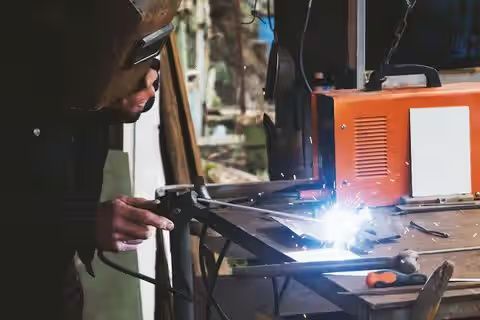
| Manual arc welding | General fabrication | Flexible field use |
| TIG welding | Thin-wall pipes | High precision |
| Orbital welding systems | Small-diameter tubing | Consistent automated rotation |
| Mechanized welding | Large pipelines | Controlled travel speed |
| Hybrid automated systems | High-volume projects | Reduced operator variation |
Each method contributes to broader pipe welding systems, supporting both onsite construction and controlled workshop fabrication.
FAQs
What are pipe welding systems used for?
Pipe welding systems are used to join pipes in industrial environments, ensuring secure connections for fluid and gas transport.
How does automated pipe welding differ from manual welding?
Automated pipe welding uses programmed controls to guide torch movement and parameters, improving consistency across repetitive welds.
Where are orbital welding systems commonly applied?
Orbital welding systems are often used for small-diameter pipes in industries requiring high cleanliness and precision.
What factors influence pipeline welding equipment selection?
Pipe diameter, material type, joint configuration, and project scale all affect equipment choice.
Why is weld consistency important in industrial pipe welding?
Consistent welds reduce defect rates, support inspection approval, and improve long-term system reliability.
Conclusion: Understanding the Practical Value of Pipe Welding Systems
Pipe welding systems form the backbone of modern pipeline construction and industrial infrastructure. By combining structured procedures, specialized equipment, and quality controls, these systems enable reliable joining of pipes across diverse applications. Advances in automated pipe welding and orbital welding systems continue to improve precision while supporting large-scale deployment.
Whether applied in manufacturing facilities or extended pipeline networks, pipeline welding equipment helps translate engineering designs into functional, durable systems. Understanding welding methods, regulatory expectations, and operational tools provides a clearer picture of how industrial pipe welding supports safe and efficient material transport.