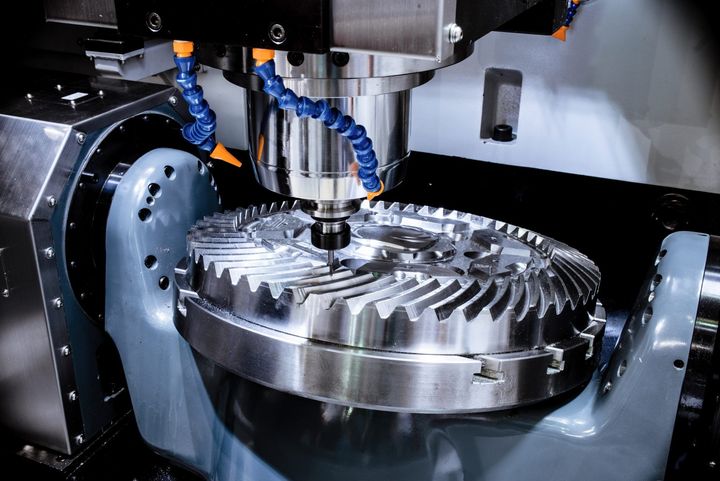
CNC Milling Machines Explained: Overview, Process, and Practical Details
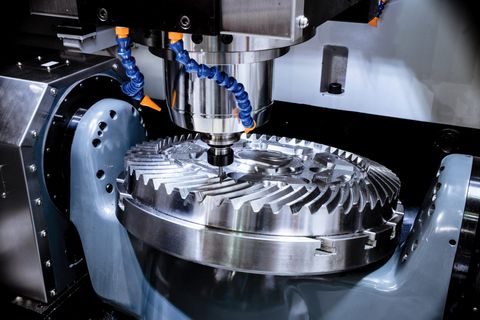
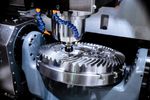
CNC milling machines are computer-controlled systems used to remove material from solid blocks such as metal, plastic, or composites to create precise parts and components. The term CNC stands for Computer Numerical Control, meaning the machine follows digital instructions to perform cutting, drilling, and shaping operations with high accuracy.
The use of CNC milling machines emerged as manufacturing moved away from manual machining toward automated, repeatable production. Traditional milling required skilled operators to guide tools by hand. CNC technology introduced programmed control, allowing machines to execute complex movements consistently across large production volumes.
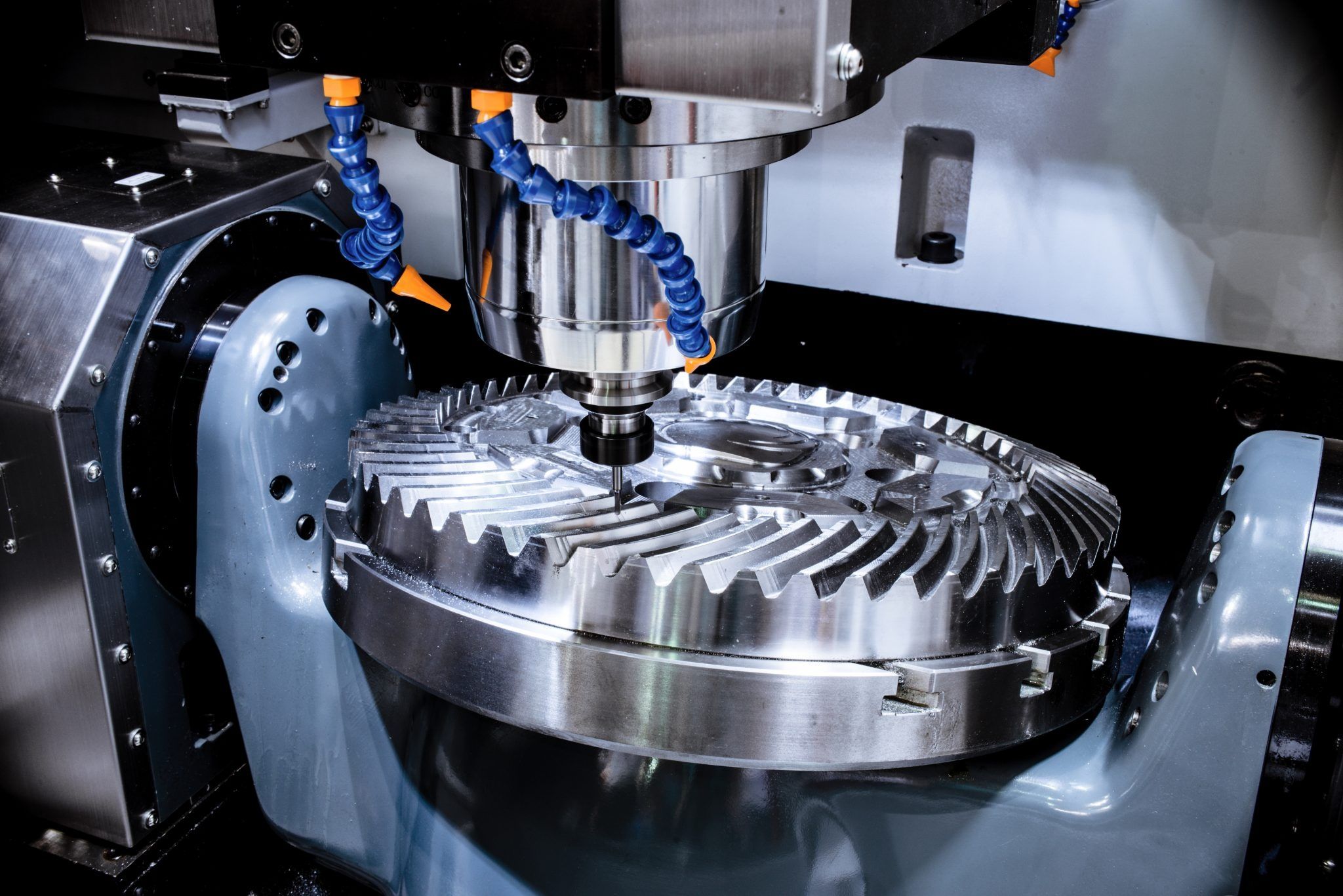
Today, CNC milling is a core process in industrial manufacturing. From small precision components to large structural parts, CNC systems support industries that depend on tight tolerances, repeatability, and scalable output. The CNC milling process connects digital design with physical production, translating CAD files into finished parts through automated tool paths.
Importance: Why CNC Milling Machines Matter Across Industries
CNC milling machines play a central role in modern production environments because they enable precision, efficiency, and consistency at scale. They affect manufacturers, engineers, quality teams, and operations planners across multiple sectors.
Their importance can be understood through several practical outcomes:
-
Precision manufacturing: Precision CNC milling supports tight dimensional control, which is essential for components that must fit or function together.
-
Process consistency: Digital programs ensure identical results across repeated production runs.
-
Operational efficiency: Automated machining reduces manual intervention and supports continuous workflows.
-
Design flexibility: Complex geometries can be produced that would be difficult or impractical with manual methods.
-
Industry adaptability: CNC machining centers are used in aerospace, automotive, medical devices, electronics, energy, and general manufacturing.
By combining automation with accuracy, industrial CNC milling helps organizations maintain quality standards while meeting production demands.
Recent Updates: Developments Shaping CNC Milling Practices
Recent developments in CNC milling focus on smarter automation, improved connectivity, and enhanced machining efficiency rather than basic mechanical changes.
Key trends observed in recent periods include:
-
Advanced control software: Modern controllers provide better motion planning and surface finish optimization.
-
Integration with digital manufacturing: CNC manufacturing equipment increasingly connects with production management systems for real-time monitoring.
-
Multi-axis capabilities: More machines now support complex multi-axis machining, reducing setup time.
-
Tool condition monitoring: Sensors help track tool wear and machining performance.
-
Energy-aware operation: Manufacturers are emphasizing efficient spindle drives and optimized cutting strategies.
These changes strengthen the role of CNC milling machines within connected manufacturing environments, supporting higher productivity and process visibility.
Laws or Policies: Regulatory Considerations for CNC Manufacturing Equipment
CNC milling machines operate within regulatory frameworks related to workplace safety, machinery operation, and industrial compliance. While requirements vary by region and sector, several common policy areas influence CNC deployment.
Typical regulatory considerations include:
-
Machine safety standards: Requirements for guarding, emergency stops, and operator protection.
-
Electrical and mechanical compliance: Certification ensuring CNC machining centers meet defined performance benchmarks.
-
Workplace health regulations: Guidelines addressing noise, vibration, and operator ergonomics.
-
Environmental policies: Rules governing waste handling, coolant management, and energy usage.
These policies help ensure CNC manufacturing equipment is operated safely and responsibly within industrial facilities.
Tools and Resources: References Used to Understand CNC Milling Systems
Several tools and technical resources support the planning, operation, and evaluation of CNC milling machines. These references help engineers and operators understand machining behavior and system capabilities.
Commonly used tools and materials include:
-
CAM software platforms for generating CNC milling process toolpaths
-
Material property databases describing hardness, machinability, and thermal behavior
-
Cutting parameter calculators used to estimate spindle speeds and feed rates
-
Machine specification guides outlining axis travel, spindle capacity, and tooling compatibility
-
Maintenance frameworks for inspection schedules and operational best practices
These resources support informed decision-making throughout the lifecycle of CNC machining centers.
Common Types of CNC Milling Machines
CNC milling machines are available in multiple configurations depending on production requirements and material characteristics.
| Machine Type | Primary Use | Key Feature |
|---|---|---|
| Vertical CNC mills | General machining | Tool approaches from above |
| Horizontal CNC mills | Heavy material removal | Efficient chip evacuation |
| 3-axis machines | Standard components | Simple movement paths |
| 5-axis machines | Complex geometries | Multi-directional cutting |
| CNC machining centers | Integrated operations | Milling, drilling, and tapping in one setup |
Selecting the appropriate system depends on part complexity, tolerance needs, and production volume.
FAQs
What are CNC milling machines used for?
CNC milling machines are used to shape and cut solid materials into precise parts by following programmed digital instructions.
How does the CNC milling process work?
The CNC milling process begins with a digital design file. CAM software converts this design into tool paths, which guide cutting tools as they remove material from a workpiece.
What industries rely on precision CNC milling?
Precision CNC milling is widely used in aerospace, automotive, medical manufacturing, electronics, energy, and general industrial production.
How do CNC machining centers differ from basic CNC mills?
CNC machining centers typically combine milling, drilling, and tapping in a single setup, improving workflow efficiency.
Why is industrial CNC milling important for quality control?
Industrial CNC milling ensures consistent dimensions and repeatable results, helping manufacturers maintain strict quality standards.
Conclusion
CNC milling machines are a foundational technology in modern manufacturing, enabling accurate, repeatable, and efficient material processing. By connecting digital design with automated machining, they support everything from simple components to highly complex assemblies. As CNC manufacturing equipment continues to evolve through smarter controls and integrated systems, its role in industrial production remains essential. Understanding the overview, process, and practical details of CNC milling helps organizations better align machining capabilities with production goals.