Metal Shearing Machines Explained: Basics, Working, and Key Facts
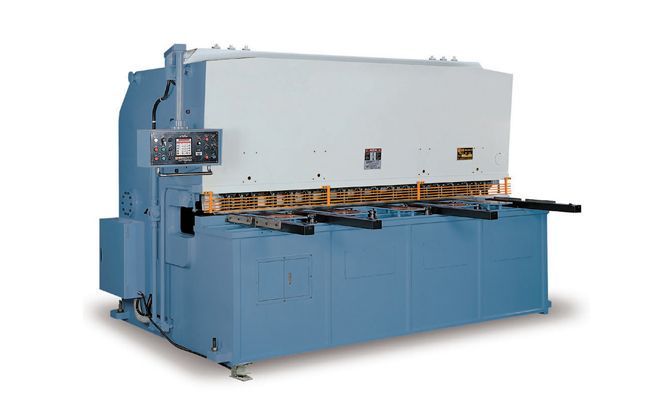
Metal shearing machines are industrial tools used to cut sheet metal and plate materials into specific sizes and shapes. The cutting process, known as shearing, involves applying a strong force that causes the material to separate along a defined line without forming chips or melting the metal. This makes metal shearing machines an essential part of many metal fabrication operations.
In modern manufacturing, precision and efficiency are critical. Industries that work with steel, aluminum, copper, and other metals require consistent cutting methods to prepare materials for further processing such as bending, welding, or stamping. Industrial metal shearing equipment exists to meet this need by delivering straight, clean cuts with repeatable accuracy.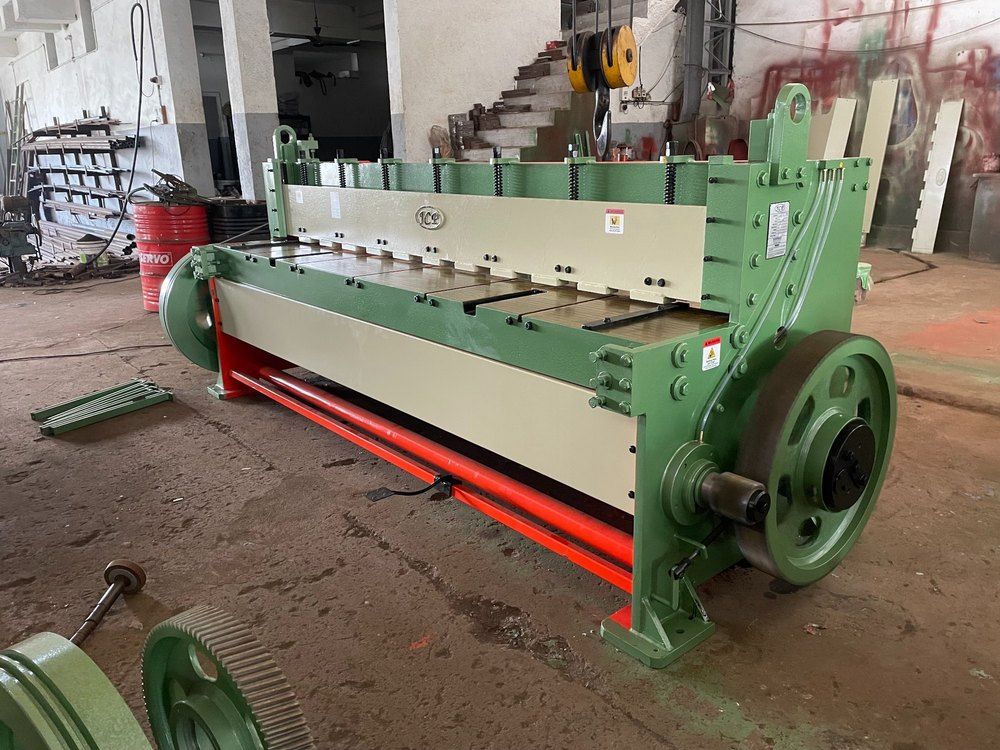
Unlike thermal cutting methods, shearing relies on mechanical force. A blade moves past a fixed blade with a small clearance between them, creating a controlled fracture in the material. This simple yet powerful mechanism has made sheet metal shearing machines a foundational tool in fabrication workshops and production plants.
Importance: Why Metal Shearing Machines Matter Across Industries
Metal shearing machines play a critical role in manufacturing environments where metal components are produced in large volumes. Their impact extends to fabricators, construction firms, automotive suppliers, machinery manufacturers, and infrastructure projects.
Key reasons metal shearing machines are important include:
-
Material preparation efficiency: Sheet metal shearing machines quickly size raw materials for downstream operations.
-
Production consistency: Industrial shearing machines provide uniform cuts, supporting quality standards.
-
Reduced material waste: Accurate cutting minimizes offcuts and improves material utilization.
-
Process reliability: Mechanical shearing is stable and repeatable when properly configured.
-
Scalability: These machines support both small workshops and high-volume industrial production lines.
In sectors such as automotive manufacturing, construction materials, shipbuilding, and heavy equipment fabrication, industrial metal shearing equipment supports structured workflows and predictable output.
Recent Updates: Developments in Industrial Shearing Technology
Recent developments in metal shearing machines reflect broader trends in automation and process optimization within manufacturing.
Notable changes observed in recent periods include:
-
Integration with digital controls: Many modern sheet metal shearing machines now include programmable back gauges and touch-based control panels.
-
Improved blade materials: Advances in blade metallurgy enhance durability and reduce downtime.
-
Automation compatibility: Industrial shearing machines are increasingly integrated into automated material handling systems.
-
Enhanced safety features: Improved guarding systems and interlocks reduce operator risk.
-
Energy-efficient hydraulic systems: Updated drive mechanisms reduce power consumption during operation.
These updates contribute to greater precision and alignment with automated fabrication environments.
Laws or Policies: Safety and Compliance in Metal Fabrication
Metal shearing machines operate within safety and regulatory frameworks designed to protect workers and ensure equipment reliability. While specific regulations vary by region, common compliance areas apply to most industrial environments.
Key regulatory considerations include:
-
Workplace safety standards: Requirements related to machine guarding, emergency stop mechanisms, and operator training.
-
Industrial machinery guidelines: Standards governing mechanical performance and safe installation.
-
Environmental regulations: Rules related to noise levels, energy usage, and waste management.
-
Sector-specific compliance: Additional requirements in industries such as aerospace or structural fabrication.
Compliance with these frameworks ensures that industrial metal shearing equipment operates safely and responsibly within production facilities.
Tools and Resources: References for Understanding Metal Shearing Machines
Several technical resources and analytical tools support the evaluation and operation of metal shearing machines.
Commonly referenced tools and materials include:
-
Shear force calculators: Tools that estimate required cutting force based on material thickness and strength.
-
Material property databases: References detailing tensile strength and shear strength values for different metals.
-
Equipment specification guides: Documents outlining machine capacity, blade length, and stroke configuration.
-
Maintenance planning checklists: Frameworks that support inspection scheduling and blade alignment monitoring.
-
Technical standards documentation: Guidelines covering safe operation and performance parameters.
These resources help engineers and production teams understand the mechanical requirements and operational limits of sheet metal shearing machines.
Types of Metal Shearing Machines: Common Configurations in Industry
Metal shearing machines are available in different configurations depending on production requirements and material thickness.
| Machine Type | Typical Application | Key Characteristic |
|---|---|---|
| Mechanical shearing machines | Medium-volume cutting | Fast cycle times |
| Hydraulic shearing machines | Heavy-duty cutting | High cutting force control |
| CNC shearing machines | Precision operations | Programmable positioning |
| Bench-top shears | Small workshops | Compact design |
Choosing between these options depends on production scale, material properties, and required precision.
Working Principle: How Sheet Metal Shearing Machines Cut Material
The working principle of a metal shearing machine is based on controlled mechanical force. The upper blade moves downward past a fixed lower blade with a defined clearance. As pressure increases, the material first undergoes elastic deformation, then plastic deformation, and finally fractures along the shear line.
Key factors influencing cutting quality include:
-
Blade clearance: Proper spacing between blades ensures a clean cut.
-
Material thickness: Thicker materials require higher shear force.
-
Blade sharpness: Well-maintained blades reduce burr formation.
-
Machine alignment: Accurate positioning supports straight cuts.
Understanding this working principle helps explain why industrial shearing machines remain widely used in fabrication processes.
FAQs: Common Questions About Metal Shearing Machines
What materials can metal shearing machines cut?
They are commonly used for steel, aluminum, copper, and other sheet metals within specified thickness limits.
How do hydraulic shearing machines differ from mechanical ones?
Hydraulic shearing machines use fluid power for controlled force application, while mechanical systems rely on motor-driven mechanisms.
Is shearing suitable for precision fabrication?
Yes. Modern CNC sheet metal shearing machines provide accurate positioning for consistent cuts.
What affects the quality of a sheared edge?
Blade condition, clearance settings, and material properties all influence edge quality.
Are metal shearing machines used in automated production lines?
Many industrial shearing machines are integrated with automated feeding and stacking systems in modern facilities.
Conclusion: The Role of Metal Shearing Machines in Modern Manufacturing
Metal shearing machines remain fundamental tools in metal fabrication and industrial manufacturing. By enabling efficient, repeatable, and controlled cutting of sheet materials, they support production workflows across multiple industries. Advances in digital control, automation compatibility, and safety features continue to enhance their relevance. Understanding the basics, working principles, and applications of industrial metal shearing equipment provides valuable insight into how modern fabrication systems operate.