Industrial Bearings: Types, Basics, and Working Explained
Industrial bearings are mechanical components designed to support rotating or moving parts while reducing friction between surfaces. They exist to enable smooth motion, improve efficiency, and protect machinery components from excessive wear. Without bearings, many machines would experience rapid degradation due to friction, heat, and misalignment.
The basic principle of a bearing is to allow relative motion between parts while controlling direction and load. Bearings achieve this by separating moving surfaces using rolling elements or sliding contact, depending on design. This separation minimizes resistance and helps machines operate reliably over long periods.Industrial bearings are used across a wide range of equipment, from small motors to large industrial machinery. Their design varies based on load type, speed, operating environment, and precision requirements. Understanding bearings helps explain how complex machines function smoothly under demanding conditions.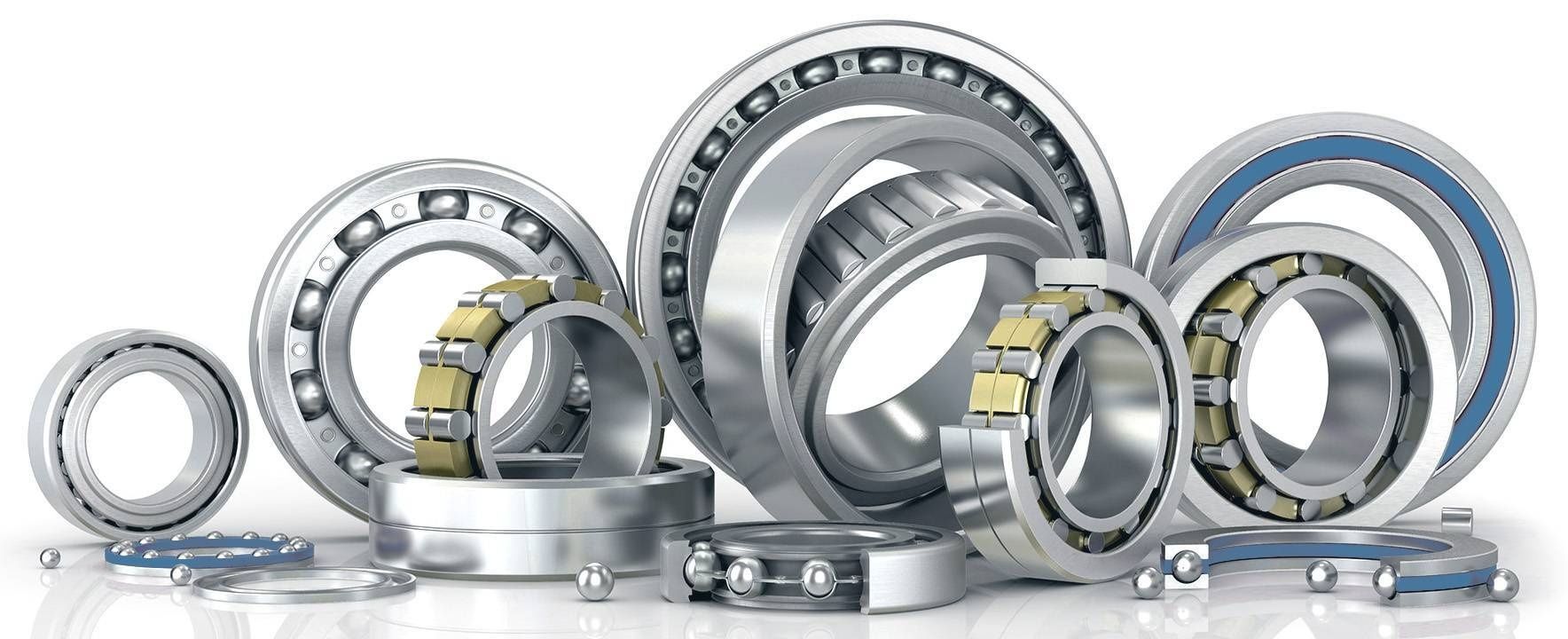
Why Industrial Bearings Matter
Industrial bearings matter because they directly influence machine performance, efficiency, and reliability. Many industrial systems rely on continuous motion, and even minor friction increases can lead to energy loss, overheating, or component failure.
This topic affects:
-
Manufacturing and processing industries
-
Maintenance and reliability teams
-
Engineers and equipment designers
-
Infrastructure and transportation systems
Common problems that industrial bearings help solve include:
-
Excessive friction between moving parts
-
Premature wear of shafts and housings
-
Heat buildup during continuous operation
-
Misalignment and vibration issues
By managing loads and motion effectively, bearings help extend equipment lifespan and maintain stable operation. Their role is essential in both heavy-duty machinery and precision-driven systems.
Developments in Industrial Bearing Design and Use
Industrial bearing design continues to evolve to meet higher performance expectations. One noticeable development is improved material engineering, where bearing components are designed to handle higher loads and more demanding environments.
Another shift involves enhanced sealing and lubrication approaches. These improvements help bearings operate more reliably in dusty, moist, or high-speed conditions by protecting internal components from contamination.
There is also increased attention to predictive maintenance practices. Bearings are now more commonly monitored as indicators of machine health. Changes in vibration or temperature often provide early signs of system issues, helping prevent unexpected downtime.
Common Types of Industrial Bearings Explained
Industrial bearings are classified based on how they handle loads and motion. Each type serves a specific mechanical purpose.
Ball bearings
Ball bearings use spherical rolling elements and are suitable for moderate loads and high-speed applications. They support both radial and limited axial loads.
Roller bearings
Roller bearings use cylindrical or tapered rolling elements. They are designed for heavier loads and are commonly used in industrial machinery.
Tapered roller bearings
These bearings handle combined radial and axial loads. Their design allows precise load distribution, making them suitable for demanding applications.
Spherical roller bearings
Spherical roller bearings accommodate misalignment and heavy loads. They are often used in large industrial equipment where shaft deflection may occur.
Plain bearings
Plain bearings rely on sliding contact rather than rolling elements. They are used where simplicity and load capacity are prioritized over speed.
The table below summarizes key bearing types.
| Bearing Type | Load Handling | Typical Application |
|---|---|---|
| Ball Bearing | Light to moderate | Motors, tools |
| Roller Bearing | Heavy loads | Industrial machinery |
| Tapered Roller | Combined loads | Gear systems |
| Spherical Roller | Misalignment tolerance | Heavy equipment |
| Plain Bearing | Sliding motion | Structural components |
Load Types and Bearing Selection Concepts
Bearing selection depends heavily on understanding load characteristics. Loads can act in different directions and vary in magnitude.
Key load types include:
-
Radial loads: Act perpendicular to the shaft
-
Axial loads: Act parallel to the shaft
-
Combined loads: Include both radial and axial forces
The relationship between bearing type and load direction determines performance and longevity. Selecting an appropriate bearing helps ensure stable operation and reduces the risk of premature wear.
Materials Used in Industrial Bearings
Materials play a critical role in bearing performance. Bearing components are designed to withstand stress, friction, and environmental exposure.
Common material considerations include:
-
High-strength steel for rolling elements
-
Heat-treated alloys for durability
-
Surface coatings to reduce friction
-
Specialized materials for high-temperature environments
Material selection affects load capacity, wear resistance, and operating life.
Industrial Applications of Bearings
Industrial bearings are used across many sectors due to their versatility and reliability.
Typical applications include:
-
Electric motors and generators
-
Conveyors and material handling systems
-
Pumps and compressors
-
Manufacturing and processing equipment
-
Transportation and infrastructure machinery
In each application, bearings help maintain controlled motion and structural stability.
Regulatory Standards and Policy Influence
Industrial bearings are influenced by manufacturing standards, quality guidelines, and safety regulations. These frameworks ensure consistency, reliability, and safe use.
Key regulatory considerations include:
-
Dimensional and tolerance standards
-
Material composition and testing guidelines
-
Industrial safety and equipment norms
-
Environmental handling requirements
Standards bodies and regulatory authorities define acceptable practices for bearing production and application. These rules support interchangeability and predictable performance across industries.
Tools and Resources for Bearing Knowledge and Maintenance
Various tools and resources support understanding, selection, and monitoring of industrial bearings. These focus on technical accuracy and maintenance awareness.
Common tools and resources include:
-
Bearing selection reference charts
-
Load and speed calculation tools
-
Lubrication planning templates
-
Condition monitoring and inspection checklists
The table below highlights how these tools support practical use.
| Tool Category | Purpose | Practical Benefit |
|---|---|---|
| Selection Charts | Match bearing to load | Improved reliability |
| Calculation Tools | Evaluate operating limits | Informed decisions |
| Lubrication Guides | Maintain performance | Reduced wear |
| Inspection Checklists | Monitor condition | Early issue detection |
Importance of Lubrication in Bearings
Lubrication is essential for bearing performance. It reduces friction, prevents corrosion, and helps dissipate heat.
Key lubrication considerations include:
-
Proper lubricant type selection
-
Appropriate lubrication intervals
-
Clean application practices
-
Monitoring lubricant condition
Effective lubrication supports smoother operation and extends bearing life.
Bearing Failure Awareness and Prevention
Understanding common bearing failure modes helps improve system reliability.
Common causes include:
-
Inadequate lubrication
-
Contamination from dust or moisture
-
Misalignment or improper installation
-
Excessive load conditions
Awareness of these factors supports preventive practices rather than reactive maintenance.
Role of Bearings in Machine Efficiency
Bearings directly influence machine efficiency by minimizing energy loss due to friction. Even small improvements in bearing performance can have noticeable effects on overall system operation.
Efficient bearings contribute to:
-
Reduced power consumption
-
Lower operating temperatures
-
Stable rotational accuracy
-
Longer equipment service intervals
These benefits highlight why bearings are considered foundational components in mechanical systems.
Frequently Asked Questions
What is the main function of an industrial bearing?
An industrial bearing supports motion while reducing friction between moving parts.
Are all bearings suitable for high-speed applications?
No. Bearing suitability depends on design, load capacity, and operating speed.
Why is bearing alignment important?
Proper alignment prevents uneven load distribution and premature wear.
Do bearings require regular maintenance?
Yes. Lubrication and inspection help maintain performance and reliability.
Can one bearing type be used for all applications?
No. Different applications require different bearing types based on load and motion needs.
Concluding Overview
Industrial bearings are essential mechanical components that support motion, manage loads, and protect machinery from excessive friction and wear. Their design and application influence efficiency, reliability, and operational stability across industries.
By understanding the context, importance, bearing types, material considerations, regulatory influence, tools, and practical questions related to industrial bearings, readers gain clear and factual insight into their role in modern engineering. This knowledge supports better appreciation of how simple-looking components contribute significantly to complex industrial systems.