Industrial Metal Extrusion Machinery: Discover Modern Sourcing Methods
Industrial metal extrusion machinery plays a central role in converting metal billets into continuous profiles with precise shapes and dimensions. These machines support production across construction, transportation, electrical, aerospace, and industrial manufacturing, where consistent profiles are required at scale.
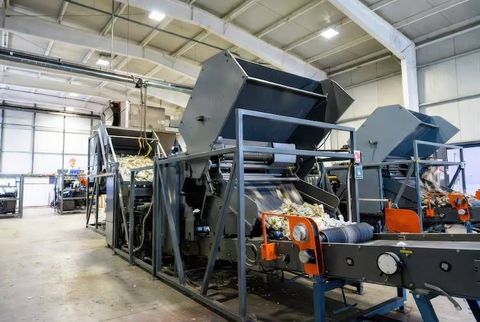
Modern extrusion operations depend on more than the main press. The complete production setup can include billet heating systems, extrusion presses, dies, handling equipment, cooling systems, pullers, saws, and automated controls. Selecting compatible equipment therefore requires a broader understanding of the entire production process.
Modern sourcing methods have also changed how manufacturers evaluate extrusion machinery. Rather than focusing only on machine capacity or specifications, purchasing teams increasingly consider application requirements, automation, energy performance, lifecycle reliability, supplier capabilities, integration, and technical support. Understanding these factors creates a more disciplined approach to equipment selection.
Start With the Extrusion Process and Production Requirement
The right machinery depends first on what the production line needs to manufacture. Different metals, profile geometries, billet dimensions, production volumes, and finishing requirements can lead to very different equipment configurations.
Aluminum is widely associated with extrusion because of its favorable processing characteristics, but extrusion technology is also used for copper, brass, magnesium, and other alloys. Each material behaves differently during deformation and requires appropriate temperature control, pressure, tooling, and machine capability.
Production requirements should therefore be established before reviewing equipment specifications. Important considerations include the alloy family, profile complexity, maximum profile dimensions, expected throughput, billet size, operating cycle, and required dimensional accuracy.
This initial assessment prevents a common sourcing problem: choosing a machine because its headline specifications appear impressive while overlooking whether it is actually suited to the intended application.
Understand the Main Machinery in an Extrusion Line
A metal extrusion system consists of several interconnected machines. The extrusion press receives the heated billet and applies controlled force to push the material through a die, creating the required profile.
Billet heating equipment prepares the material for extrusion by bringing it to an appropriate processing temperature. Temperature consistency matters because excessive or uneven heating can affect surface quality, extrusion behavior, and tooling performance.
After the profile exits the die, handling equipment supports cooling, alignment, stretching, cutting, and movement. Modern lines may use automated runout tables, pullers, saws, and transfer systems to maintain controlled product flow.
The die itself is equally important. Its geometry determines the shape of the extruded profile, while die quality and maintenance influence dimensional consistency and surface finish.
Mechanical Capacity Is Only One Selection Factor
Press capacity is an important specification, but it should not be considered in isolation. A machine with greater force capability is not automatically more suitable for a particular production environment.
Other technical characteristics can be equally significant, including:
- Maximum billet diameter and length
- Container dimensions
- Ram speed and control
- Extrusion ratio compatibility
- Die handling arrangement
- Cycle time
- Hydraulic or electromechanical architecture
- Cooling and lubrication systems
- Control system capabilities
The interaction between these specifications determines whether equipment can consistently support the required production process.
Manufacturers should also examine whether the machine provides enough flexibility for future product changes. A system designed around one narrow profile range may become restrictive as production requirements evolve.
Compare Hydraulic, Direct-Drive, and Modern Press Architectures
Hydraulic presses have traditionally been common in heavy industrial extrusion because they can deliver substantial force and precise pressure control. Their performance depends on the quality of hydraulic components, fluid management, cooling, and control systems.
Newer machinery can incorporate advanced drive technologies, improved motion control, and energy-management features. The appropriate architecture depends on production requirements, plant infrastructure, maintenance capabilities, and operating priorities.
Control technology is increasingly important regardless of the mechanical design. Modern programmable logic controllers, sensors, operator interfaces, and data systems can monitor pressure, position, temperature, speed, and cycle behavior.
This creates better process visibility and can help operators identify deviations before they become significant quality problems.
Modern Sourcing Goes Beyond Traditional Supplier Searches
Equipment sourcing has evolved from simply locating manufacturers and requesting quotations. Today, procurement teams can use technical databases, industrial directories, engineering networks, trade exhibitions, digital supplier platforms, and direct manufacturer communication to build a broader shortlist.
However, a larger supplier pool does not necessarily make the decision easier. A structured evaluation process is needed to distinguish between suppliers with genuinely relevant extrusion experience and companies whose equipment only appears technically similar.
A useful sourcing process begins by creating a technical specification sheet. This document should define production objectives, material requirements, machine dimensions, automation expectations, plant constraints, inspection requirements, and integration needs.
Suppliers can then be evaluated against the same criteria, making technical differences easier to identify.
Evaluate Supplier Engineering Capability
The supplier relationship matters because extrusion machinery is not a simple standalone product. The equipment must often integrate with upstream heating, downstream handling, electrical systems, automation platforms, and existing plant infrastructure.
Supplier evaluation should therefore examine engineering capability as well as machine specifications. Questions should address documentation, commissioning procedures, training, spare-parts planning, control-system architecture, quality assurance, and technical communication.
Reference installations can provide useful context when independently verified. They can indicate whether a supplier has experience with similar alloys, profile requirements, production scales, and operating conditions.
The key is to evaluate evidence relevant to the intended application rather than relying on broad claims about manufacturing capability.
Inspect Machinery Quality Before Final Selection
Technical documentation is useful, but physical inspection can reveal details that specifications do not capture. Factory inspections or third-party assessments can examine assembly quality, welds, hydraulic routing, electrical cabinets, component identification, safety systems, and general manufacturing practices.
For major equipment purchases, testing under defined operating conditions is also valuable. Factory acceptance testing can verify selected performance criteria before equipment is integrated into the production environment.
Inspection procedures should be based on measurable requirements. A clear acceptance checklist reduces ambiguity and establishes objective criteria for determining whether the machinery meets the agreed technical specification.
Consider Total Lifecycle Requirements
Sourcing decisions should account for the entire operating lifecycle rather than the initial equipment transaction alone.
Energy consumption, preventive maintenance, consumable requirements, replacement parts, operator training, software support, and equipment downtime can all influence long-term operational performance.
A machine that appears technically suitable but requires difficult-to-source components or highly specialized maintenance may introduce operational challenges later.
Lifecycle evaluation should therefore include the availability of critical components, expected maintenance intervals, diagnostic capabilities, control-system accessibility, and the supplier's ability to support equipment over its intended operating period.
Automation Is Reshaping Extrusion Sourcing
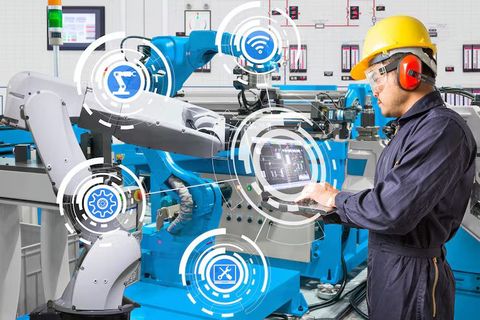
Automation has become an increasingly important consideration in modern extrusion machinery. Automated billet loading, temperature monitoring, profile handling, cutting, data collection, and quality monitoring can reduce manual intervention while improving production consistency.
Integration with plant-level systems can also provide more visibility into production conditions. Sensors and industrial communication protocols allow machines to exchange information with supervisory and manufacturing systems where the architecture supports such connectivity.
When sourcing automated equipment, purchasers should examine not only the presence of automation but also how openly the control architecture can integrate with existing infrastructure.
Common Sourcing Mistakes to Avoid
Several mistakes can weaken an otherwise careful equipment-selection process. One is relying heavily on a single specification, such as press force, while overlooking the rest of the production line.
Another is comparing machinery solely by initial expenditure without evaluating energy use, maintenance complexity, spare-part availability, and operational reliability.
A third issue is failing to define acceptance criteria before technical discussions begin. Without measurable requirements, suppliers may interpret performance expectations differently.
Finally, organizations sometimes underestimate integration work. Extrusion machinery must function as part of a connected process, so utilities, foundations, material flow, controls, safety requirements, and downstream equipment should be considered early.
Frequently Asked Questions
What factors matter most when sourcing extrusion machinery?
Material type, profile dimensions, production volume, billet size, press capacity, automation requirements, tooling compatibility, plant infrastructure, maintenance needs, and supplier engineering capability are all important.
Is press force enough to compare extrusion machines?
No. Press force is only one specification. Container dimensions, billet capacity, ram speed, control systems, cycle performance, automation, and line integration can be equally important.
Why is the extrusion die so important?
The die determines the profile geometry and strongly influences dimensional accuracy and surface quality. Its design, material, manufacturing quality, and maintenance condition all affect extrusion performance.
How can suppliers be evaluated effectively?
Use a consistent technical specification, verify relevant industrial experience, examine documentation and quality procedures, inspect equipment where practical, and establish measurable acceptance criteria.
Why does automation matter in modern extrusion machinery?
Automation can improve process consistency, reduce manual handling, provide real-time operating data, and support integration with broader manufacturing control systems.
Conclusion
Industrial metal extrusion machinery should be selected as part of a complete production system rather than as an isolated piece of equipment. Material characteristics, profile requirements, press architecture, downstream handling, automation, tooling, plant integration, and lifecycle considerations all influence whether a machinery configuration is technically appropriate.
Modern sourcing methods provide access to more supplier information than ever, but effective procurement depends on disciplined technical evaluation. A clear specification, structured supplier comparison, equipment inspection, defined acceptance criteria, and lifecycle assessment can help manufacturers make more informed machinery decisions while reducing avoidable operational risks.