Industrial Shredder Machines: Explore How Industrial Materials Are Processed
Industrial facilities handle a wide range of materials, from bulky plastic components and scrap metal to wood waste, packaging, and discarded electronic equipment.
Industrial shredder machines help process these materials by reducing them into smaller, more manageable pieces for transportation, recycling, disposal, or further manufacturing.
As industries focus on material recovery and efficient waste management, shredding has become an important stage in many processing operations. The equipment must handle different material properties, production volumes, and particle-size requirements while maintaining reliable performance.
Understanding industrial shredding involves more than knowing how rotating blades cut materials. Machine design, cutting mechanisms, drive systems, material feeding, safety controls, and downstream processing all influence the results. These factors determine how a shredder fits into a complete industrial workflow.
How Industrial Shredder Machines Break Down Materials
Industrial shredders use mechanical force to tear, shear, cut, or fracture incoming materials. Depending on the machine design, this force is generated by rotating shafts, cutting discs, hardened blades, or specialized crushing components.
Unlike equipment designed primarily for fine grinding, many industrial shredders focus on the initial size reduction of bulky or irregular materials. The output may consist of strips, flakes, chips, or coarse fragments rather than a uniform powder.
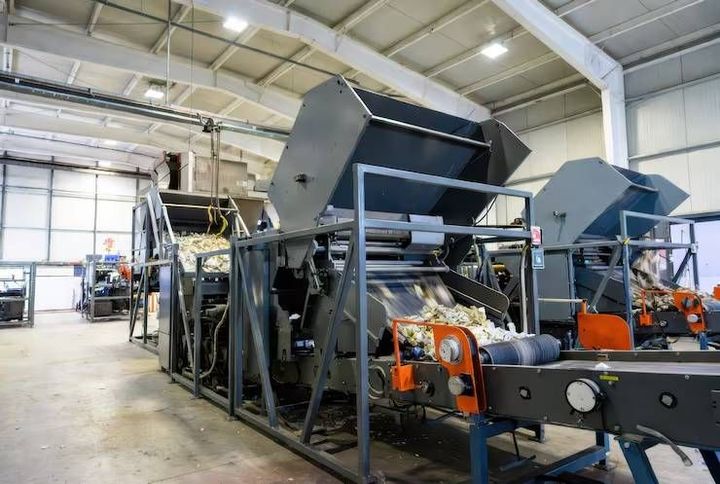
The shredding process begins when material enters the feed opening or hopper. A feeding mechanism guides it toward the cutting chamber, where rotating components engage with the material and progressively break it down. The processed material then exits through a discharge opening or passes through a screen when the machine includes size-control features.
The result depends on the material's thickness, toughness, flexibility, moisture content, and composition. A machine that processes rigid plastic effectively may not handle fibrous textiles or thick metal components with the same efficiency.
Different Shredder Designs for Industrial Applications
Industrial shredders are available in several configurations, each suited to particular materials and operating requirements. Selecting the appropriate design requires understanding how the cutting mechanism interacts with the material.
Single-Shaft Shredders
Single-shaft shredders use a rotating rotor fitted with cutting tools to process material against stationary counter-knives. A hydraulic or mechanical pusher may feed bulky material toward the rotor.
Many designs include a screen beneath the cutting chamber. Material remains in the chamber until it reaches a size that allows it to pass through the screen, helping control the output dimensions.
These machines are commonly used for plastics, wood, packaging waste, and other materials requiring controlled size reduction. Their performance depends on rotor design, screen openings, cutting geometry, and the characteristics of the feed material.
Dual-Shaft Shredders
Dual-shaft shredders use two rotating shafts fitted with intermeshing cutting discs. The shafts pull material inward and tear or shear it into smaller fragments.
This configuration is useful for processing bulky, irregular, or mixed materials that benefit from a strong pulling and tearing action. Applications can include industrial waste, selected metal scrap, tires, and large plastic items.
Output size is influenced by cutter geometry, shaft speed, cutter spacing, and whether additional sizing equipment follows the shredder. A dual-shaft machine does not automatically produce uniform particles, particularly when it operates without a sizing screen.
Four-Shaft and Specialized Shredders
Four-shaft shredders use additional cutting shafts to create more cutting interactions and, in suitable designs, improve control over output size. Some models incorporate screens or other sizing arrangements for applications requiring more consistent fragments.
Specialized shredders may also be designed for particular materials, including cables, electronic waste, confidential documents, textiles, or industrial production scrap. Their construction reflects the specific challenges associated with each material, such as tangled fibers, mixed components, or abrasive surfaces.
Choosing the Right Machine for the Material
Material characteristics are among the strongest influences on shredder selection. Equipment must generate enough cutting force to process the feed without excessive wear, repeated blockages, or unnecessary energy consumption.
Rigid plastics can require different cutting geometry from flexible film, which may stretch or wrap around rotating components. Fibrous materials can become entangled, while abrasive materials can accelerate wear on blades and internal surfaces.
Metal processing introduces additional considerations. Thin sheet metal, aluminum profiles, and heavy steel scrap place different demands on cutters, shafts, bearings, and drive systems. Certain objects may also require preliminary separation or preparation before entering the shredder.
Contamination matters as well. Stones, unwanted metal pieces, and other foreign objects can damage cutting components or create operational hazards. Facilities processing mixed waste often need sorting or inspection before shredding.
The most suitable machine is therefore determined by the complete feed profile, including material composition, maximum dimensions, expected throughput, and required output characteristics.
The Main Components That Keep a Shredder Operating
A typical industrial shredder combines mechanical, electrical, and control systems. Each component contributes to the machine's ability to process material consistently.
The cutting chamber houses the rotor, shafts, blades, and supporting structures. Its design affects material movement, cutting efficiency, and access for maintenance.
The drive system supplies the torque needed to process incoming material. Depending on the design, it may use an electric motor with a gearbox, a hydraulic drive, or another suitable arrangement. Torque requirements can vary significantly when processing dense or difficult materials.
The feeding system controls how material reaches the cutting mechanism. Gravity feeding may be sufficient for some applications, while bulky feedstock may require conveyors, hydraulic pushers, or mechanical handling equipment.
The control system monitors operating conditions and coordinates machine functions. Depending on the equipment, it may include motor-load monitoring, automatic reversing, overload protection, and interlocks that prevent unsafe operation.
These components must work together. An adequately powered motor cannot compensate for unsuitable cutters, poor feeding, or a cutting chamber that is incompatible with the material.
How Shredding Fits Into a Material Processing Line
Shredding is often one stage in a larger industrial process rather than a standalone operation. The surrounding equipment determines how effectively the shredded material can be recovered or reused.
In plastic recycling, a shredder may reduce rigid containers or production scrap into smaller pieces before washing, separation, and further size reduction. The resulting flakes or fragments can then move through subsequent processing stages, depending on the recycling system.
In metal recycling, shredding can help prepare scrap for sorting and material recovery. Magnets, eddy-current separators, and other separation technologies may be used downstream, depending on the metals and feed composition.
Waste management facilities may combine shredders with conveyors, screens, sorting equipment, and storage systems. This arrangement helps manage material flow and prepares selected waste streams for recycling or other authorized processing routes.
A properly integrated line must account for throughput at every stage. If the shredder processes material faster than downstream equipment can handle it, accumulation and interruptions may occur. If feeding is inconsistent, the shredder may remain underutilized even when its rated capacity is high.
Maintaining Performance and Controlling Wear
Cutting tools experience gradual wear as they process material. The rate depends on factors such as material hardness, contamination, operating conditions, blade design, and the frequency of demanding loads.
Worn cutting edges can reduce processing efficiency, increase energy demand, and affect output consistency. Regular inspection helps identify deterioration before it develops into more serious mechanical problems.
Maintenance commonly involves checking blades, fasteners, bearings, gearboxes, lubrication systems, hydraulic components where fitted, and protective devices. Blade sharpening or replacement must follow the equipment manufacturer's procedures and the requirements of the specific cutting system.
Unusual vibration, repeated overloads, abnormal noise, and unexpected changes in motor load can indicate developing problems. Investigating these symptoms early can reduce unplanned downtime and help protect major machine components.
Industrial Shredder Safety and Operational Controls
Industrial shredders contain powerful moving parts capable of causing severe injuries. Safe operation requires engineered protection, appropriate procedures, and trained personnel.
Feed openings, access doors, cutting chambers, and discharge points must be protected according to the machine's design and applicable workplace safety requirements. Interlocks and emergency stops provide additional protection, but they do not replace proper guarding or safe operating procedures.
Before maintenance, cleaning, or clearing a blockage, the machine must be isolated from hazardous energy sources using the appropriate lockout and tagout procedures. Workers must verify that dangerous movement and stored energy have been controlled before accessing internal components.
Facilities should also consider dust, noise, flying fragments, and fire risks where relevant to the material being processed. The required controls depend on the application, particularly when handling combustible dust, electronic waste, or materials containing hazardous substances.
Frequently Asked Questions
What materials can industrial shredders process?
Industrial shredders can process plastics, wood, paper, textiles, tires, selected metals, electronic waste, and various industrial residues. The suitable machine depends on material properties and the intended processing result.
What is the difference between a shredder and a granulator?
A shredder generally performs primary size reduction, breaking bulky materials into coarse fragments. A granulator typically produces smaller, more uniform particles through a different cutting arrangement. Some processing lines use both machines in sequence.
How is the output size controlled?
Output size depends on the cutting mechanism, cutter geometry, shaft arrangement, and the use of screens or additional sizing equipment. Not every shredder includes a screen, so the final particle size can vary.
How often do industrial shredder blades need maintenance?
There is no universal maintenance interval. Blade condition depends on the processed material, contamination, operating hours, and machine design. Regular inspections and manufacturer-recommended maintenance schedules help determine when servicing is necessary.
What should be considered when selecting an industrial shredder?
Key considerations include material type, maximum feed dimensions, required throughput, target output size, contamination levels, available power, maintenance access, safety provisions, and compatibility with downstream equipment.
Conclusion
Industrial shredder machines convert bulky and difficult-to-handle materials into smaller fragments that can move more efficiently through recycling, waste management, and manufacturing processes. Their performance depends on the relationship between material characteristics, cutting technology, drive capacity, and production-line integration.
Selecting and operating a suitable shredder requires attention to throughput, output requirements, wear management, and worker safety. When these factors are addressed together, shredding becomes a more reliable part of an industrial material processing system.