Explore Smart Factory Technologies: AI, IoT Basics, and Key Insights
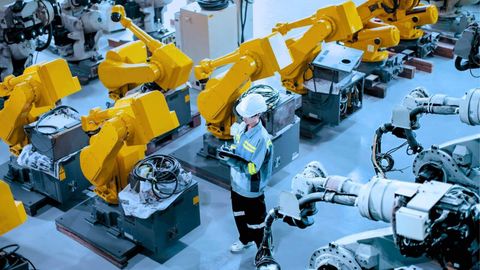
Smart factory technologies refer to the integration of digital systems, connected devices, and advanced analytics within manufacturing environments. These technologies bring together artificial intelligence, industrial IoT, automation platforms, and data-driven processes to create factories that can monitor themselves, adapt to changes, and improve performance over time.
Traditional manufacturing relies heavily on fixed workflows and manual supervision. Smart factories emerged to address these limitations by enabling machines, systems, and operators to share information in real time. Through smart factory technologies, production environments gain visibility into operations, equipment status, and material flow.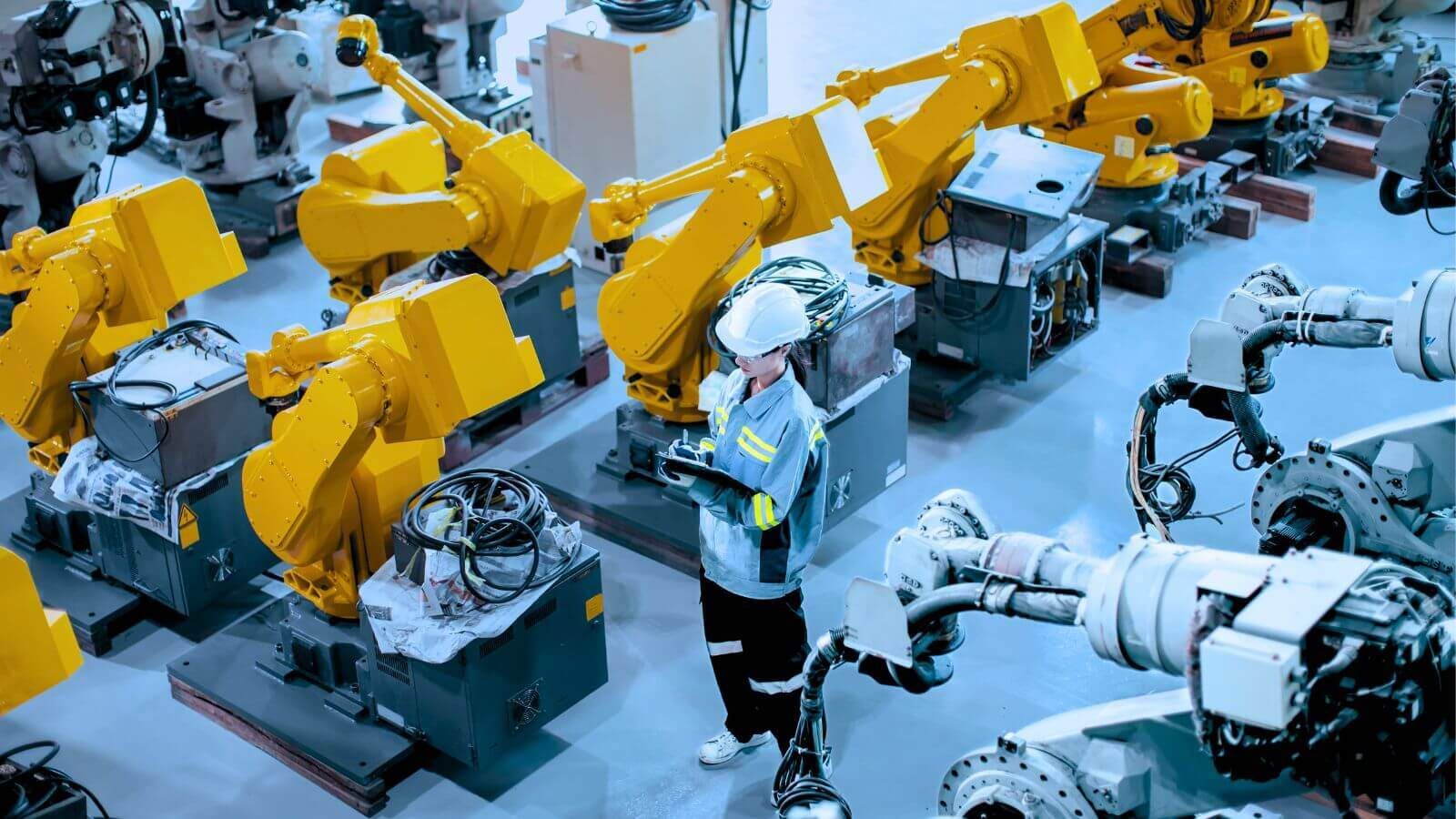
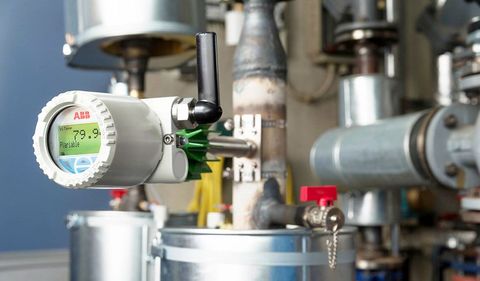
At the core of this approach are industrial IoT solutions, which connect sensors, machines, and software platforms, and AI in manufacturing, which analyzes collected data to identify patterns and support operational decisions. Together, these elements transform conventional factories into intelligent, responsive production ecosystems.
Importance: Why Smart Manufacturing Matters Across Industries
Smart factory technologies influence how modern manufacturing organizations operate, plan, and scale. They affect production teams, engineers, supply chain planners, quality managers, and leadership teams responsible for long-term strategy.
Key reasons these technologies matter include:
-
Operational transparency: Connected systems provide continuous insight into equipment performance and production status.
-
Process optimization: AI-driven analytics highlight inefficiencies and suggest workflow improvements.
-
Predictive maintenance: Sensor data supports early identification of equipment issues before disruptions occur.
-
Quality consistency: Automated monitoring helps detect deviations in product specifications.
-
Scalable manufacturing: Digital systems adapt more easily to changes in demand or product design.
Industries such as automotive, electronics, pharmaceuticals, consumer goods, and heavy manufacturing increasingly rely on digital manufacturing systems to maintain competitiveness and operational stability.
Recent Updates: Developments in AI and Industrial IoT Integration
Recent developments in smart factory technologies focus on deeper integration, stronger interoperability, and more practical applications of analytics.
Notable trends observed in recent periods include:
-
Expanded edge computing: More data processing now occurs closer to machines, reducing latency and network load.
-
Advanced AI models: Manufacturing-specific algorithms improve demand forecasting, quality inspection, and anomaly detection.
-
Improved interoperability: Standardized communication frameworks allow equipment from different vendors to operate within unified systems.
-
Energy-aware production monitoring: Factories increasingly track resource usage to support sustainability goals.
-
Cyber-resilient architectures: Connected manufacturing environments emphasize secure device authentication and protected data flows.
These developments strengthen the role of AI in manufacturing and reinforce the importance of industrial IoT solutions as foundational components of smart factory ecosystems.
Laws or Policies: Regulatory Considerations for Smart Factory Adoption
Smart factory technologies operate within regulatory frameworks related to industrial safety, data protection, and digital infrastructure. While requirements vary by region, several policy areas commonly influence implementation.
Typical regulatory considerations include:
-
Industrial safety standards: Guidelines governing automated machinery, robotics, and workplace environments.
-
Data governance rules: Frameworks addressing how operational and production data is collected and managed.
-
Cybersecurity policies: Requirements for securing connected industrial systems.
-
Digital transformation initiatives: Government programs encouraging adoption of smart manufacturing technologies and automation.
Understanding these regulatory aspects helps organizations align their smart manufacturing strategies with compliance expectations.
Tools and Resources: Practical References for Smart Factory Planning
A variety of tools and reference materials support organizations exploring smart factory technologies. These resources help evaluate readiness, design architectures, and monitor ongoing performance.
Commonly used tools and frameworks include:
-
Industrial IoT platforms for managing connected devices and data streams
-
Manufacturing analytics dashboards for visualizing production metrics
-
Digital twin models for simulating factory layouts and workflows
-
Equipment connectivity guides outlining integration approaches
-
Operational maturity frameworks used to assess smart factory progress
These resources support informed planning and implementation of factory automation technology and broader digital manufacturing strategies.
Core Components of Smart Factory Technologies
Smart factories combine multiple technological layers, each contributing to overall system intelligence.
| Component Area | Primary Role | Example Outcome |
|---|---|---|
| Industrial IoT | Device connectivity | Real-time equipment visibility |
| AI analytics | Pattern recognition | Quality anomaly detection |
| Automation systems | Process execution | Consistent production flow |
| Data platforms | Information integration | Unified operational reporting |
| Edge computing | Local processing | Faster response times |
Understanding these components helps clarify how smart factory technologies work together to create adaptive manufacturing environments.
FAQs
What are smart factory technologies?
Smart factory technologies combine AI, industrial IoT, automation, and data platforms to create connected manufacturing environments that monitor and optimize themselves.
How does AI support smart manufacturing?
AI in manufacturing analyzes operational data to identify trends, predict equipment issues, and improve production quality.
What role does industrial IoT play in smart factories?
Industrial IoT solutions connect machines and sensors, enabling continuous data collection and real-time visibility across factory operations.
Are smart factories suitable for different manufacturing sectors?
Yes. Automotive, electronics, pharmaceuticals, food processing, and heavy industries all use digital manufacturing systems to improve efficiency and consistency.
What is the difference between automation and smart manufacturing?
Automation executes predefined tasks, while smart manufacturing uses connected data and analytics to adapt processes dynamically.
Conclusion: Connecting Data, Intelligence, and Manufacturing Operations
Smart factory technologies represent a shift from traditional production models toward connected, data-driven manufacturing environments. By combining industrial IoT solutions, AI in manufacturing, and digital manufacturing systems, organizations gain deeper insight into operations, stronger quality control, and greater adaptability.
As factories continue to evolve, these technologies support informed decision-making, predictive maintenance, and scalable production strategies. Understanding the fundamentals of smart manufacturing helps organizations evaluate how connected systems and analytics fit into modern industrial workflows.