Wireless Industrial Sensors Explained: Overview and Key Facts
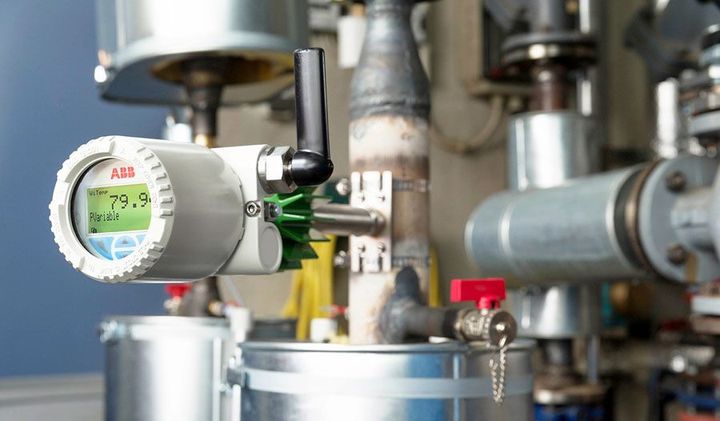
Wireless industrial sensors are devices designed to measure physical or environmental conditions and transmit data without physical cabling. They exist because industrial environments require continuous monitoring of variables such as temperature, pressure, vibration, flow, and humidity, often across large or hard-to-reach areas.
Traditional wired sensors can be effective, but they introduce limitations related to installation complexity, inflexibility, and maintenance challenges. As industrial systems expanded and became more distributed, the need for flexible, scalable sensing increased. Wireless industrial sensors emerged to address these needs by enabling data collection without extensive wiring.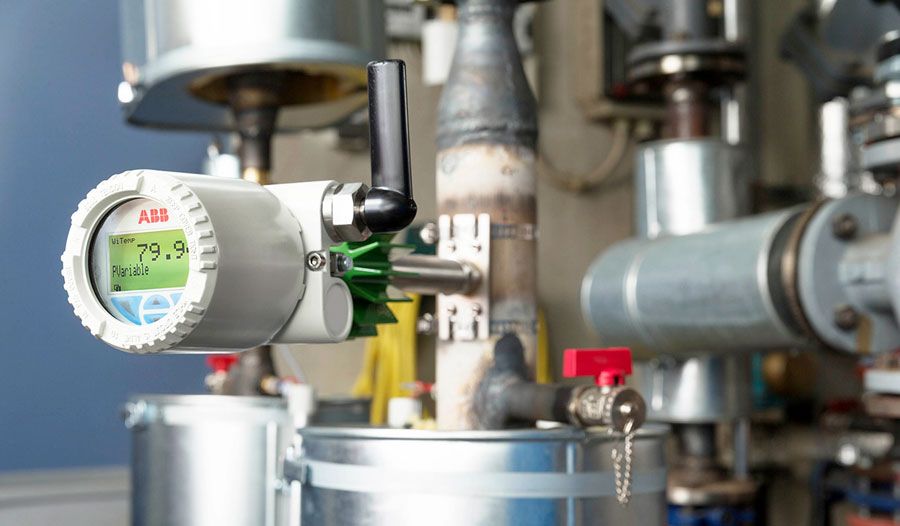
These sensors are commonly integrated into broader industrial monitoring and control architectures. They form a foundational part of industrial data collection, helping operators observe conditions, understand system behavior, and maintain stable operations across diverse settings.
Why Wireless Industrial Sensors Matter
Wireless industrial sensors matter because they support visibility and awareness in complex industrial operations. Accurate, timely data helps organizations understand what is happening across equipment, processes, and environments.
This topic affects:
-
Manufacturing and processing facilities
-
Energy and utilities operations
-
Infrastructure monitoring teams
-
Industrial safety and maintenance groups
Key problems that wireless industrial sensors help address include:
-
Limited access to remote or hazardous areas
-
Delays caused by manual data collection
-
Inflexible monitoring setups
-
Difficulty expanding monitoring coverage
By enabling data transmission without cables, these sensors support faster deployment and easier system expansion. They also reduce physical constraints, allowing monitoring in locations where wiring would be impractical.
Core Functions and Measurement Capabilities
Wireless industrial sensors are defined by what they measure and how they transmit information. While designs vary, their core purpose is consistent: converting physical conditions into digital data that can be analyzed and acted upon.
Common measurement parameters include:
-
Temperature and thermal variation
-
Pressure and flow levels
-
Vibration and motion
-
Humidity and gas presence
-
Electrical and mechanical states
The table below outlines common sensor types and their focus areas.
| Sensor Type | Measurement Focus | Typical Context |
|---|---|---|
| Temperature | Heat variation | Process monitoring |
| Pressure | Fluid or gas force | Pipelines and vessels |
| Vibration | Mechanical movement | Equipment health |
| Humidity | Moisture levels | Environmental control |
| Gas | Air composition | Safety monitoring |
These measurements support informed decisions across industrial workflows.
Wireless Communication and Data Flow
Wireless industrial sensors rely on communication technologies to transmit data to receivers or gateways. These communication paths are designed to be reliable in environments with noise, interference, or physical obstacles.
Key communication characteristics include:
-
Low power consumption for long operation
-
Secure data transmission
-
Ability to operate over varying distances
-
Resistance to industrial interference
Once data is transmitted, it is typically aggregated, processed, and visualized within industrial monitoring platforms. This flow transforms raw sensor readings into actionable information.
Practical Benefits in Industrial Environments
The practical value of wireless industrial sensors lies in how they simplify monitoring and improve operational awareness.
Notable benefits include:
-
Faster installation without extensive wiring
-
Flexibility to relocate or add sensors
-
Improved monitoring coverage
-
Reduced disruption during setup
The table below summarizes operational advantages.
| Aspect | Practical Impact |
|---|---|
| Installation | Simplified deployment |
| Scalability | Easier expansion |
| Accessibility | Monitoring hard-to-reach areas |
| Adaptability | Reconfiguration support |
These advantages make wireless sensing suitable for evolving industrial systems.
Developments and Shifts in Wireless Sensor Use
Wireless industrial sensor use continues to evolve as industries adopt more connected and data-driven practices. One noticeable shift is the integration of sensors into industrial IoT architectures, where data from multiple sources is combined for broader analysis.
Another development is improved energy efficiency. Sensor designs increasingly emphasize low-power operation, allowing longer deployment without frequent intervention. This supports sustained monitoring in remote or distributed locations.
There is also growing emphasis on interoperability. Sensors are increasingly designed to work within mixed environments, supporting standardized data formats and integration with diverse systems.
Reliability, Accuracy, and Data Integrity
Reliability and accuracy are critical considerations for wireless industrial sensors. Industrial decisions often depend on precise and consistent data.
Key factors influencing reliability include:
-
Sensor calibration practices
-
Environmental conditions such as temperature extremes
-
Signal stability and interference management
-
Physical protection of sensor hardware
The table below highlights common influences on data quality.
| Factor | Influence on Data |
|---|---|
| Calibration | Measurement accuracy |
| Environment | Sensor stability |
| Signal Quality | Data consistency |
| Housing Design | Physical protection |
Understanding these factors helps users interpret sensor data appropriately.
Laws, Regulations, and Policy Influence
Wireless industrial sensors operate within regulatory and policy frameworks related to safety, communication, and data handling. These frameworks vary by country and sector but share common objectives.
Key regulatory considerations include:
-
Industrial safety standards for monitored environments
-
Radio frequency and communication compliance
-
Data protection and access controls
-
Environmental and workplace monitoring guidelines
Government and standards bodies define acceptable practices for wireless transmission and sensor use. Compliance ensures that monitoring systems operate safely and responsibly within industrial settings.
Tools and Resources Supporting Wireless Sensor Use
A variety of tools and resources support understanding and managing wireless industrial sensors. These resources focus on planning, analysis, and maintenance rather than promotion.
Common tools and resources include:
-
Sensor placement planning templates
-
Signal strength assessment charts
-
Data visualization dashboards
-
Calibration reference documents
-
Maintenance and inspection checklists
The table below shows how these tools contribute to effective use.
| Tool Category | Purpose | Practical Value |
|---|---|---|
| Planning Templates | Optimal placement | Reliable coverage |
| Signal Charts | Transmission assessment | Stable communication |
| Visualization Dashboards | Data interpretation | Clear insights |
| Calibration Guides | Accuracy support | Trustworthy readings |
These resources help translate sensor data into usable knowledge.
Integration with Industrial Systems
Wireless industrial sensors are often part of larger systems rather than standalone devices. Integration allows sensor data to support monitoring, alerts, and analysis across operations.
Common integration points include:
-
Equipment monitoring platforms
-
Control room displays
-
Maintenance planning systems
-
Safety oversight frameworks
Integration ensures that sensor data contributes to coordinated decision-making rather than isolated observation.
Challenges and Practical Considerations
Despite their advantages, wireless industrial sensors present certain challenges that require attention.
Common considerations include:
-
Managing signal interference
-
Ensuring secure data transmission
-
Maintaining consistent power supply
-
Interpreting data within proper context
Addressing these considerations supports effective and responsible deployment.
Frequently Asked Questions
What are wireless industrial sensors used for?
They are used to monitor physical or environmental conditions in industrial settings without physical wiring.
How do wireless sensors transmit data?
They use wireless communication methods to send measurements to receivers or gateways.
Are wireless industrial sensors accurate?
Accuracy depends on sensor design, calibration, and operating conditions.
Do wireless sensors work in harsh environments?
Many are designed for industrial conditions, but suitability depends on specifications and protection levels.
Can wireless sensors be expanded easily?
Yes. One advantage is the ability to add or relocate sensors with minimal disruption.
Concluding Overview
Wireless industrial sensors play a key role in modern industrial monitoring by enabling flexible, scalable, and accessible data collection. They exist to support visibility across complex systems where traditional wiring would limit adaptability.
By understanding the context, importance, operating principles, developments, regulatory influence, tools, and common questions related to wireless industrial sensors, readers gain clear and practical knowledge of this technology. This understanding highlights how wireless sensing supports informed decision-making, operational awareness, and responsible industrial management.