Robotic Packaging Systems: Overview of Automation, Efficiency, and Uses
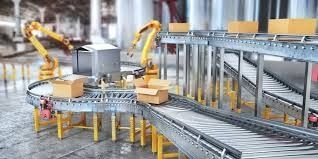
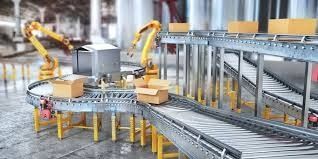
Robotic packaging systems are automated setups that use programmable robots to handle packaging tasks such as picking, placing, sorting, sealing, palletizing, and inspection. These systems exist to manage repetitive, high-volume packaging activities that require speed, consistency, and precision. Unlike manual or semi-automated methods, robotic packaging systems rely on sensors, control software, and mechanical arms to perform tasks with minimal human intervention.
The concept of robotic packaging emerged as manufacturing and distribution environments became more complex and data-driven. As product variety increased and supply chains expanded, traditional packaging methods struggled to maintain accuracy and throughput. Robotic packaging systems were developed to address these challenges by combining automation with adaptable programming, allowing packaging operations to adjust to different product types, sizes, and handling requirements.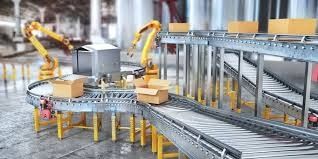
Today, robotic packaging systems are a core part of automated production lines, supporting industries that require reliable and repeatable packaging processes.
Importance
Robotic packaging systems matter because they directly influence operational efficiency, consistency, and safety across manufacturing and logistics environments. They affect a wide range of stakeholders, including production managers, operations teams, quality supervisors, and supply chain planners.
Key reasons robotic packaging systems are important include:
-
Process consistency: Automated motion ensures uniform handling and packaging accuracy.
-
Operational efficiency: Robotics enable continuous operation with predictable cycle times.
-
Workplace safety: Automation reduces repetitive manual handling and associated physical strain.
-
Scalability: Packaging lines can be expanded or reconfigured through software changes.
-
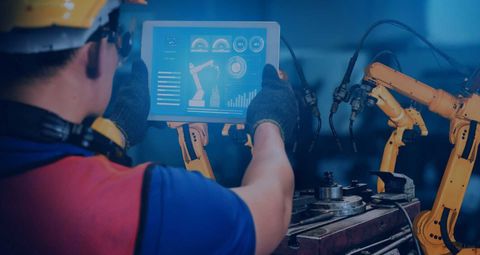
Data integration: Robotic systems generate operational data that supports monitoring and analysis.
Industries such as food processing, pharmaceuticals, consumer goods, electronics, and logistics use robotic packaging systems to maintain stable packaging performance while managing growing production complexity.
Recent Updates
Recent developments in robotic packaging systems focus on adaptability, intelligence, and system integration rather than basic automation alone. These changes reflect broader trends in industrial automation and smart manufacturing.
Key developments observed in recent periods include:
-
Improved robotic vision systems: Enhanced cameras and sensors support accurate object detection and alignment.
-
Flexible end-of-arm tooling: Modular grippers allow robots to handle multiple packaging formats within the same line.
-
Integration with analytics platforms: Packaging robots increasingly connect with monitoring systems for performance tracking.
-
Collaborative robotics adoption: Robots designed to operate safely near humans are used in mixed packaging environments.
-
Advanced motion control: Smoother and faster robotic movements improve throughput and reduce handling errors.
These updates strengthen the role of robotic packaging systems in environments that require both speed and flexibility.
Laws or Policies
Robotic packaging systems operate within regulatory frameworks related to industrial safety, machinery standards, and operational compliance. While requirements vary by country, several common policy areas influence how these systems are designed and deployed.
Key regulatory considerations include:
-
Industrial machinery safety standards: Packaging robots must meet established safety guidelines for guarding, emergency stops, and operational controls.
-
Workplace safety regulations: Automation systems must align with occupational safety rules to protect personnel.
-
Food and pharmaceutical compliance rules: Packaging systems handling regulated products must support hygiene and traceability requirements.
-
Automation and manufacturing initiatives: Government programs promoting industrial automation indirectly support adoption of robotic packaging systems.
Compliance with these policies ensures that robotic packaging systems operate safely and reliably within regulated industrial environments.
Tools and Resources
Several tools and reference resources support the planning, operation, and evaluation of robotic packaging systems. These resources help organizations design effective packaging automation strategies.
Commonly used tools and resources include:
-
Packaging automation software: Platforms for programming robotic motion and sequencing tasks.
-
Simulation and digital layout tools: Applications used to model packaging line performance before deployment.
-
Vision system configuration tools: Interfaces for calibrating cameras and inspection components.
-
Performance monitoring dashboards: Tools that display throughput, downtime, and error metrics.
-
Technical standards documentation: References covering safety, automation, and packaging guidelines.
These resources assist engineering and operations teams in optimizing robotic packaging system performance.
Common Types of Robotic Packaging Applications
Robotic packaging systems are applied across different stages of the packaging process depending on operational needs.
| Application Area | Primary Function | Typical Outcome |
|---|---|---|
| Pick-and-place | Product positioning | Accurate item placement |
| Case packing | Grouping products | Consistent case loading |
| Sealing and labeling | Package completion | Uniform package appearance |
| Palletizing | Load stacking | Stable pallet formation |
| Inspection | Quality verification | Reduced packaging errors |
Understanding these applications helps clarify how robotic packaging systems support end-to-end packaging workflows.
FAQs
What are robotic packaging systems used for?
Robotic packaging systems are used to automate packaging tasks such as picking, placing, sorting, sealing, and palletizing in industrial environments.
How do robotic packaging systems improve efficiency?
They provide consistent cycle times, reduce manual handling, and support continuous operation, which improves overall packaging throughput.
Are robotic packaging systems adaptable to different products?
Yes. Through programming and modular tooling, many systems can handle multiple product sizes and packaging formats.
Do robotic packaging systems require constant human supervision?
They are designed for automated operation but typically require oversight for monitoring, maintenance, and adjustments.
Which industries commonly use robotic packaging systems?
They are widely used in food processing, pharmaceuticals, consumer goods, electronics manufacturing, and logistics operations.
Conclusion
Robotic packaging systems play an important role in modern manufacturing and distribution by combining automation, precision, and adaptability. They help organizations maintain consistent packaging performance while supporting efficiency, safety, and scalability. As packaging requirements continue to evolve, robotic packaging systems remain a key technology for managing complex, high-volume packaging operations within automated production environments.