Power Transformers Guide: Electrical Basics Explained
Power transformers are essential electrical devices used to transfer electrical energy between circuits by changing voltage levels. They exist to make electricity suitable for transmission, distribution, and safe usage across different parts of an electrical network. Without transformers, it would be difficult to move electricity efficiently from generation points to end users.
The basic concept behind a power transformer is electromagnetic induction. By adjusting voltage levels, transformers help reduce energy losses during transmission and ensure that electricity reaches homes, industries, and infrastructure in a usable form. This function makes them a core component of power systems worldwide.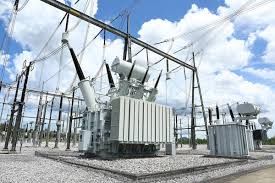
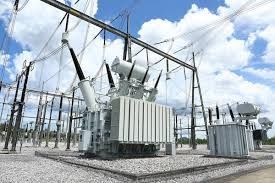
Power transformers are commonly found in power plants, substations, and industrial facilities. Their design and application depend on voltage levels, load requirements, and operational conditions. Understanding how they work helps explain why modern electrical systems are structured the way they are.
Why Power Transformers Are Important
Power transformers play a critical role in maintaining stable and reliable electrical networks. They allow electricity to be transmitted at high voltages, which reduces energy losses, and then stepped down to safer levels for practical use.
This topic affects:
-
Electrical infrastructure planners
-
Industrial power users
-
Utility operators and engineers
-
Communities dependent on stable electricity
Key problems addressed by power transformers include:
-
Energy loss during long-distance transmission
-
Voltage mismatch between generation and usage points
-
Electrical inefficiency in large-scale systems
-
Risk of equipment damage due to improper voltage levels
By managing voltage efficiently, power transformers support consistent power flow and system stability. Their role becomes even more important as electricity demand grows and power networks become more complex.
Technical Developments and Industry Shifts
Recent developments in power transformer design focus on efficiency, reliability, and adaptability. Manufacturers and engineers have placed greater emphasis on reducing energy losses and improving thermal performance. These improvements help transformers operate more effectively under varying load conditions.
Another noticeable shift is the increased use of monitoring systems. Sensors and digital monitoring tools are now commonly integrated to track temperature, load behavior, and insulation performance. This allows better understanding of transformer health and supports preventive maintenance practices.
Environmental considerations have also influenced transformer design. Improved insulating materials and optimized cooling methods are being adopted to support longer operational life and reduced environmental impact. These changes reflect a broader focus on sustainable and resilient power infrastructure.
Regulatory and Policy Considerations
Power transformers are governed by electrical standards, safety regulations, and energy efficiency guidelines. These rules are designed to ensure safe operation, compatibility across systems, and protection of both equipment and people.
Key regulatory areas include:
-
Electrical safety standards for high-voltage equipment
-
Efficiency requirements to reduce energy losses
-
Installation and operational guidelines
-
Environmental handling and disposal norms
Government energy programs and grid development policies often influence transformer specifications used in public infrastructure. While regulations define minimum requirements, technical knowledge helps stakeholders understand how compliance and performance work together in real-world conditions.
Tools and Educational Resources
Various tools and resources are used to understand, plan, and analyze power transformer performance. These tools support learning, system evaluation, and operational planning.
Commonly used tools and resources include:
-
Transformer calculation software for voltage and load analysis
-
Electrical simulation tools for system planning
-
Thermal and efficiency assessment calculators
-
Technical reference manuals and standards documents
-
Diagnostic templates for performance tracking
The table below outlines how different tools contribute to transformer understanding.
| Tool Type | Primary Use | Practical Insight |
|---|---|---|
| Calculation Tools | Voltage and load analysis | System compatibility |
| Simulation Software | Network behavior modeling | Planning accuracy |
| Monitoring Dashboards | Performance tracking | Operational awareness |
| Reference Guides | Technical learning | Knowledge clarity |
These resources help translate theoretical concepts into practical understanding.
Core Components and Design Factors
Power transformer performance depends on several internal and external design factors. Each component plays a role in efficiency and reliability.
Key design elements include:
-
Core material: Influences magnetic efficiency
-
Windings: Determine voltage transformation ratios
-
Insulation system: Supports electrical safety
-
Cooling method: Manages operational heat
-
Protective features: Reduce risk of faults
The interaction of these elements affects how a transformer performs under different electrical loads.
| Design Element | Functional Role |
|---|---|
| Magnetic Core | Enables energy transfer |
| Windings | Adjust voltage levels |
| Insulation | Prevents electrical breakdown |
| Cooling System | Maintains thermal balance |
Understanding these factors helps explain why transformer designs vary across applications.
Frequently Asked Questions
What is the main function of a power transformer?
A power transformer changes voltage levels to support efficient transmission and safe distribution of electrical energy.
Where are power transformers commonly used?
They are used in power generation stations, substations, industrial facilities, and large electrical networks.
How do power transformers improve energy efficiency?
By allowing electricity to be transmitted at higher voltages, they reduce energy losses over long distances.
What affects the performance of a power transformer?
Core materials, winding design, insulation quality, cooling methods, and operating conditions all influence performance.
Are power transformers the same as distribution transformers?
No. Power transformers are typically used in transmission networks, while distribution transformers operate closer to end users.
Final Overview
Power transformers are foundational components of modern electrical systems. Their ability to manage voltage levels enables reliable power transmission and supports the functioning of complex energy networks.
By understanding their purpose, importance, regulatory context, and technical characteristics, readers can gain practical insights into how electrical infrastructure operates. Power transformer knowledge remains essential for appreciating how electricity moves efficiently and safely from generation points to everyday applications.