Telemedicine Services: An Overview of Virtual Care, Benefits, and Use Cases
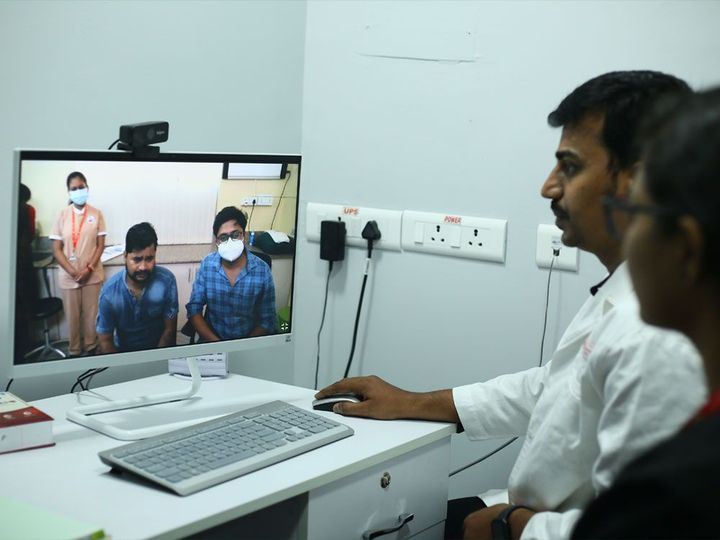
Telemedicine refers to the use of digital communication technologies to deliver healthcare interactions remotely. It exists to address challenges related to distance, accessibility, and time constraints that often limit in-person healthcare interactions. Through video consultations, secure messaging, and remote monitoring tools, telemedicine enables patients and healthcare professionals to connect without being in the same physical location.
The concept of virtual care developed as healthcare systems began adopting digital tools to manage growing patient volumes and complex care needs. Traditional healthcare models often depend on physical visits, which can be difficult for people living in remote areas, individuals with mobility limitations, or those managing chronic conditions. Telemedicine provides an alternative pathway by allowing clinical discussions, follow-ups, and assessments to take place virtually.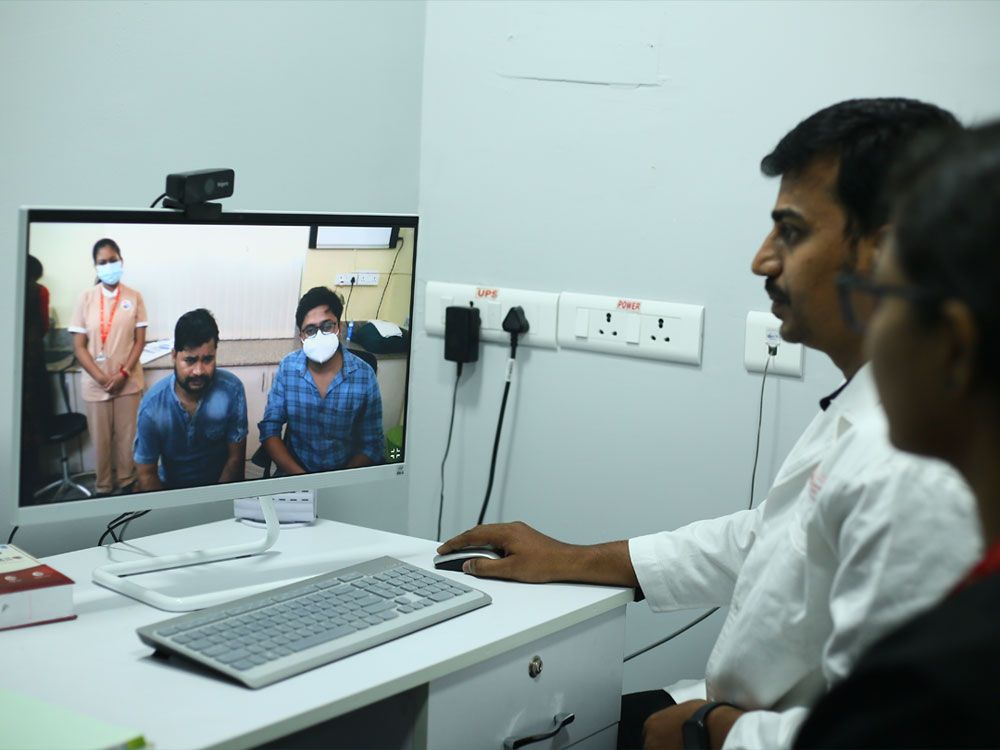
At a broader level, telemedicine fits within the shift toward digital health and data-driven care. It connects clinical expertise with communication technology, supporting more flexible and timely healthcare interactions.
Importance
Telemedicine matters today because it influences how healthcare is accessed, delivered, and experienced. It affects patients, clinicians, healthcare administrators, and public health systems by offering new ways to interact and manage care.
Key reasons telemedicine is important include:
-
Improved access: Virtual care reduces geographic barriers for patients in rural or underserved areas.
-
Continuity of care: Follow-up consultations and routine check-ins can occur without travel.
-
Time efficiency: Reduced waiting and travel time supports better use of clinical resources.
-
Chronic condition support: Ongoing monitoring and virtual consultations help manage long-term conditions.
-
Public health resilience: Remote care options help maintain healthcare access during disruptions to in-person systems.
Telemedicine also plays a role in reducing strain on healthcare facilities by shifting appropriate interactions to virtual environments, allowing in-person resources to focus on complex or urgent needs.
Recent Updates
Recent developments in telemedicine focus on improving usability, integration, and clinical reliability rather than introducing entirely new concepts. These changes reflect growing experience with virtual care across different healthcare settings.
Key trends observed in recent periods include:
-
Better integration with clinical records: Virtual care platforms increasingly connect with electronic health record systems.
-
Expanded remote monitoring: Digital tools are more commonly used to track patient data outside traditional settings.
-
Standardized virtual workflows: Clear protocols now guide how virtual consultations are conducted and documented.
-
Improved accessibility features: Platforms emphasize usability for different age groups and abilities.
-
Stronger data security practices: Secure communication and identity verification are central design priorities.
Together, these developments strengthen telemedicine as a stable component of healthcare delivery rather than a temporary alternative.
Laws or Policies
Telemedicine operates within regulatory frameworks that govern healthcare practice, digital communication, and data protection. While specific requirements differ by country, several common policy areas influence how telemedicine is implemented.
Key policy considerations include:
-
Medical practice regulations: Rules defining how healthcare professionals may provide care across locations.
-
Data privacy and protection laws: Regulations governing the handling of personal health information in digital environments.
-
Digital health guidelines: National frameworks supporting the responsible use of virtual care technologies.
-
Public healthcare programs: Government initiatives that recognize telemedicine as part of broader healthcare delivery models.
Compliance with these policies ensures that telemedicine is delivered ethically, securely, and in alignment with established healthcare standards.
Tools and Resources
A range of tools and resources support telemedicine and virtual care workflows. These resources help healthcare professionals manage communication, documentation, and patient engagement effectively.
Commonly referenced tools and resources include:
-
Telemedicine platforms: Digital environments designed for secure video consultations and messaging.
-
Remote monitoring tools: Technologies that capture patient health data outside clinical settings.
-
Scheduling and coordination systems: Tools that organize virtual appointments and follow-ups.
-
Clinical documentation software: Applications that support structured record-keeping during virtual interactions.
-
Guidelines and best-practice frameworks: Reference materials outlining ethical and clinical considerations for virtual care.
These resources contribute to consistent and reliable telemedicine experiences across different healthcare contexts.
Common Use Cases for Telemedicine
Telemedicine is applied across a wide range of healthcare scenarios, depending on clinical needs and patient circumstances.
| Use Case | Primary Purpose | Example Application |
|---|---|---|
| Primary care consultations | Initial assessment | General health discussions |
| Follow-up visits | Ongoing care | Review of treatment progress |
| Chronic condition management | Long-term monitoring | Virtual check-ins and data review |
| Mental health support | Ongoing communication | Scheduled virtual sessions |
| Specialist access | Expert input | Remote consultation referrals |
These use cases demonstrate how telemedicine supports both routine and specialized healthcare interactions.
FAQs
What is telemedicine used for?
Telemedicine is used to enable healthcare interactions such as consultations, follow-ups, and monitoring through digital communication technologies.
Who can benefit from virtual care?
Patients with limited access to in-person healthcare, individuals managing chronic conditions, and those seeking convenient follow-up care can benefit from virtual care.
Is telemedicine suitable for all medical situations?
No. While many interactions can occur virtually, some conditions require physical examination or in-person procedures.
How does telemedicine support healthcare systems?
It helps optimize resource use, reduce facility congestion, and maintain continuity of care.
What role does data security play in telemedicine?
Secure handling of health information is essential to protect patient privacy and maintain trust in virtual care systems.
Conclusion
Telemedicine represents an important evolution in healthcare delivery by enabling virtual care interactions that complement traditional in-person models. It improves access, supports continuity of care, and enhances system flexibility across a wide range of clinical contexts. As digital health technologies continue to mature, telemedicine is likely to remain a core component of healthcare systems focused on accessibility, efficiency, and patient-centered care.