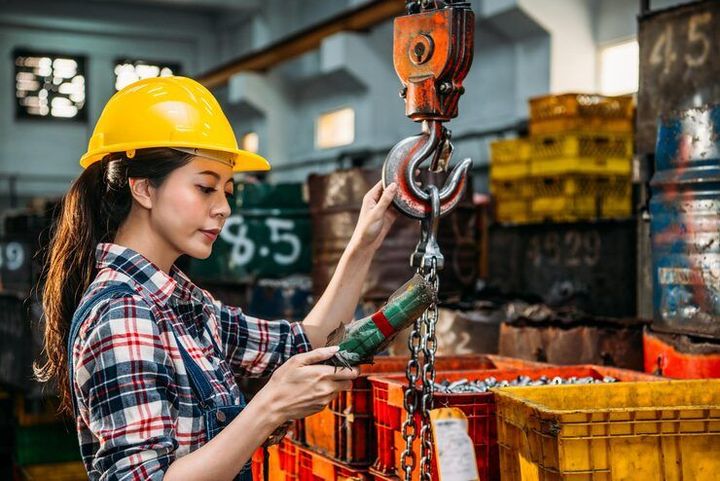
Material Handling Tools: Insights for Safer Lifting and Transport
Material handling tools play an essential role in moving goods, components, and raw materials safely through warehouses, factories, construction sites, and distribution facilities.
From lifting heavy machinery to transporting cartons across a production floor, the right equipment helps workers manage loads with greater control and less physical strain.
As industrial operations handle increasingly varied materials, businesses need equipment that supports safe movement, efficient workflows, and reliable load control. Poor handling practices can lead to damaged products, workplace injuries, equipment failures, and unnecessary interruptions.
Understanding material handling tools involves more than identifying different types of equipment. It requires knowing how each tool works, where it fits into a workflow, and which safety considerations matter when lifting, positioning, or transporting loads.
How Material Handling Tools Support Daily Operations
Material handling refers to the movement, storage, protection, and control of materials throughout an operational environment. These activities take place between receiving, production, storage, packing, and dispatch, making handling equipment an important part of overall workflow design.
The equipment used depends on the material's weight, dimensions, shape, fragility, and movement requirements. A warehouse handling palletized goods may rely on pallet trucks and forklifts, while a manufacturing facility may use hoists, lifting tables, or conveyors to move components between workstations.
Selecting suitable tools can reduce repetitive manual lifting and help workers maintain better control over awkward or heavy loads. However, equipment alone does not guarantee safety. Its effectiveness depends on correct operation, appropriate load limits, workplace conditions, and regular maintenance.
Common Types of Material Handling Tools
Different tools address different movement requirements. Understanding their operating principles helps facilities select equipment that fits the task rather than relying on a single solution for every situation.
Lifting Equipment for Heavy Loads
Hoists, cranes, and lifting tables help raise, lower, or position materials that would be difficult to handle manually. Chain hoists and electric hoists are commonly used where loads must be lifted vertically, while overhead cranes can move heavy materials across defined work areas.
Lifting tables raise materials to a suitable working height, helping reduce repeated bending during assembly, packing, or loading. Their usefulness depends on the required lifting range, platform dimensions, load capacity, and stability.
Slings, shackles, hooks, and other lifting accessories may connect loads to lifting equipment. These components must be compatible with the load and lifting system, correctly rated, and inspected for damage before use.
Transport Tools for Moving Materials
Pallet trucks and forklifts are widely used to move palletized goods through warehouses and industrial facilities. Manual pallet trucks are suitable for many short-distance movements on appropriate floors, while powered equipment can support more demanding transport requirements.
Hand trucks and platform trolleys help workers move cartons, containers, tools, and smaller equipment. Their design influences how easily loads can be controlled around corners, through doorways, and across different floor surfaces.
For continuous movement between production stages, conveyor systems can transport materials along a fixed route. Roller conveyors, belt conveyors, and other configurations are selected according to the load's shape, weight, surface, and required movement pattern.
Tools for Gripping and Positioning
Some materials are difficult to lift safely because they are large, irregular, delicate, or slippery. Clamps, vacuum lifters, lifting magnets, and specialized gripping attachments help secure particular types of loads.
Vacuum lifters use suction to handle compatible surfaces, including certain sheets and panels. Magnetic lifting devices are designed for suitable ferromagnetic materials, while clamps must match the load geometry and the manufacturer's specified operating conditions.
These tools require particular care because their holding mechanisms may depend on surface condition, material properties, power supply, or correct attachment. A gripping device should never be assumed suitable simply because it can physically hold a load.
Choosing Equipment for the Material and Task
Equipment selection begins with the load itself. Weight is important, but dimensions, centre of gravity, surface condition, and stability also affect how safely an object can be moved.
A long steel component, for example, may require a different lifting arrangement from a compact machine part of the same weight. An uneven load can shift during lifting, while a fragile item may need cushioning or a specialized gripping system.
The movement route also matters. Narrow aisles, uneven flooring, ramps, low ceilings, and congested work areas can restrict equipment choice. Facilities should consider turning space, visibility, pedestrian traffic, and the distance the material must travel.
Rated capacity must be checked for the actual configuration being used. Attachments can affect a forklift's lifting capacity, while sling angles and load distribution influence the forces experienced by lifting accessories. Operators should follow equipment documentation and approved lifting procedures rather than relying on appearance or experience alone.
Safe Lifting and Transport Practices
Safe material handling combines suitable equipment, trained personnel, and consistent work procedures. Before moving a load, workers should understand its weight, identify potential hazards, and confirm that the equipment is appropriate for the task.
Loads should be secured against slipping, tipping, or unexpected movement. Workers must stay clear of suspended loads and avoid placing hands or feet in pinch points. When operating powered equipment, speed, visibility, pedestrian separation, and the condition of the travel path all require attention.
Manual handling may still be necessary for some tasks. Workers should assess whether the load can be handled safely, use available mechanical assistance, and avoid twisting or reaching while carrying heavy objects. Team lifting may help in certain circumstances, but it should not replace mechanical equipment when the load remains unsafe to handle manually.
Training should cover the specific equipment being used, including its controls, limitations, inspection requirements, and emergency procedures. Employers should also establish clear reporting processes for damaged equipment, unstable loads, and near misses.
Inspection and Maintenance Keep Equipment Reliable
Material handling tools experience wear through repeated loading, movement, vibration, and exposure to workplace conditions. Routine inspection helps identify problems before they contribute to equipment failure or an unsafe lifting operation.
Inspection requirements vary by equipment type. Chains, ropes, hooks, slings, wheels, brakes, hydraulic components, and electrical systems may all require attention depending on the design.
Visible cracks, deformation, fraying, leakage, unusual noise, or malfunctioning controls should be treated seriously. Equipment that appears damaged or does not operate correctly should be removed from service according to workplace procedures until it has been assessed and cleared for use.
Preventive maintenance should follow the manufacturer's instructions and applicable safety requirements. Keeping inspection records, documenting repairs, and tracking recurring faults can help facilities identify equipment that needs closer attention.
Integrating Tools Into an Efficient Workflow
Handling equipment works best when its use is planned around the movement of materials through the facility. Poorly positioned storage areas or unnecessary transfers can create congestion even when suitable equipment is available.
A practical workflow reduces avoidable movement between receiving, storage, production, and dispatch. Frequently handled materials may need to be positioned near their points of use, while clear travel routes help separate equipment movement from pedestrian activity.
Facilities can also evaluate recurring bottlenecks, such as waiting for a forklift, manually repositioning heavy components, or moving the same pallet multiple times. Adjusting storage layouts, introducing appropriate lifting aids, or improving transfer points may reduce wasted effort.
Automation can support these improvements through conveyors, automated guided vehicles, and autonomous mobile robots. However, automated systems still require suitable routes, load compatibility, safety controls, and maintenance. Their introduction should address a defined operational need rather than add complexity without a clear purpose.
Frequently Asked Questions
What are material handling tools used for?
Material handling tools help lift, lower, move, position, and transport materials in workplaces such as warehouses, factories, and construction sites. They can reduce manual effort and improve control when selected and operated correctly.
Which equipment is suitable for moving heavy loads?
The appropriate equipment depends on the load, travel distance, lifting height, and workplace layout. Forklifts, hoists, cranes, and powered pallet trucks serve different purposes, so selection should be based on the task and the equipment's rated capacity.
How often should material handling equipment be inspected?
Inspection frequency depends on the equipment type, usage, manufacturer instructions, and applicable regulations. Pre-use checks and scheduled inspections may both be required, especially for lifting equipment and accessories.
How can material handling risks be reduced?
Risks can be reduced through suitable equipment selection, operator training, load security, clear travel routes, regular inspections, and proper maintenance. Workers should stop the task if a load becomes unstable or equipment appears unsafe.
Can material handling tools reduce workplace injuries?
Appropriate tools can reduce exposure to heavy lifting, repetitive movements, and awkward handling positions. However, injury prevention also depends on training, work organization, equipment condition, and consistent safety procedures.
Conclusion
Material handling tools support the safe and controlled movement of goods across industrial and commercial environments. Choosing equipment that matches the load, movement requirements, and workplace layout helps improve handling efficiency while reducing avoidable risks.
Reliable results depend on more than equipment selection. Proper training, load management, inspection, maintenance, and workflow planning must work together. When these elements are managed consistently, material handling becomes a more dependable part of daily operations.